
Defense Ministry Seeks Companies for Maintenance of Navy Landing Systems
The Ministry of Defense has initiated a significant bidding process aimed at maintaining and repairing the electronic equipment for landing aid systems installed on Navy ships. Published recently through the Municipality of Rota, this initiative emphasizes the critical importance of operational efficiency and reliability in the Spanish Navy’s capabilities, especially in light of current global political considerations.
Overview of the Bidding Process
The estimated value of this framework agreement stands at 1 million euros, setting an ambitious target for interested companies. Potential bidders must submit their offers by March 26 at 11:59 PM, as detailed in the Official State Gazette (BOE). This tender is notable, with a targeted selection of up to 30 operators to execute the relevant tasks.
Bid Evaluation Criteria
The selection process is comprehensive and meticulously defined, with specific criteria for evaluating bidders. Key components of the scoring system include:
- Labor Costs (40%): How competitive is the pricing for labor in the context of this contract?
- Material Costs (30%): What are the anticipated expenses for materials needed?
- Other Expenses (10%): What additional costs might be relevant?
- Warranty Period (10%): How long is the warranty for completed work?
- Response Time (10%): How quickly can the bidder react to repair requirements?
Telecommunications firms that demonstrate financial stability, relevant experience, and possess official quality certifications are encouraged to participate.
Scope of Work
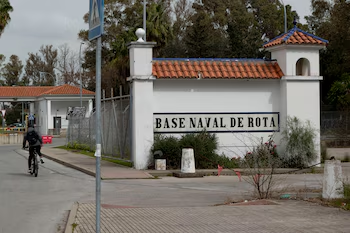
The tender focuses exclusively on the maintenance and repair of electronic equipment integrated into landing assistance systems for Spanish Navy vessels. This includes ships receiving logistical support from the Cádiz Arsenal and those in transit from diverse arsenals. Furthermore, bidders must ensure compliance with environmental management standards implemented at the Rota Naval Base.
Strategic Importance of Rota Naval Base
Rota holds a pivotal role in both Spanish and NATO operations, serving as a vital logistical hub. The site, alongside Morón de la Frontera, hosts U.S. bases of significant strategic value. Governed by a bilateral agreement established in 1988, this base operates under Spanish sovereignty, yet facilitates joint defense activities.
This enhanced cooperation reflects an ongoing commitment to collective security amidst global tensions. Notably, disagreements over defense spending targets have emerged, particularly with past U.S. administrations emphasizing NATO’s obligations.
Community and Historical Context
The Rota Naval Base is not just a military facility but a thriving community, where approximately 3,000 Americans coexist with their families and local Spanish citizens. This intricate relationship creates a unique environment, often characterized by a blend of cultures and shared services, from schools to shops.
Established in 1953 following the Madrid Pacts signed between Spain and the U.S., the base symbolizes long-standing military cooperation, particularly pivotal during the Cold War era in exchange for economic and military support.
Conclusion
The Ministry of Defense’s recent bidding process for the maintenance of Navy landing systems underscores essential operational needs. As firms prepare to submit their proposals, the outcome will likely influence the capabilities of Spain’s naval forces and its strategic position within NATO. The evolving geopolitical landscape necessitates such rigorous approaches to defense readiness, ensuring that Spain remains responsive to both domestic and international challenges.