
Microsoft’s New AI Strategy: Integrating Anthropic Technology into Copilot
For a long time, when we talked about artificial intelligence at Microsoft, there was one dominant player: OpenAI. Their collaboration was pivotal for the success of ChatGPT and the launch of Copilot. However, as the AI landscape rapidly evolves, with new models and increasing competition arising, Microsoft is diversifying its AI strategy. In this context, Microsoft’s latest initiative reflects its commitment to advancing Copilot’s capabilities.
Introducing Anthropic Technology
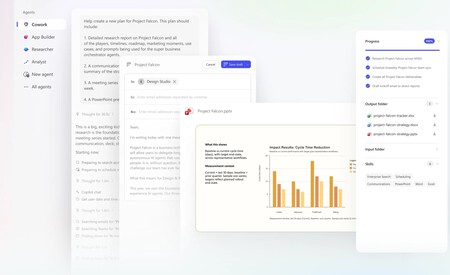
The Announcement. Microsoft has made a significant move by integrating Anthropic technology into its Copilot assistant, which is embedded in tools like Outlook, Teams, and Excel within Microsoft 365. Among the exciting new features is “Cowork,” an Anthropic-based tool designed to streamline tasks in professional settings. Notably, Copilot will now also include Claude’s models from Anthropic, complementing the existing OpenAI models. This integration substantially enhances Copilot’s functionality and reduces dependency on a single AI provider.
From Task Delegation to Autonomous Execution
Expanding Role of Copilot. Microsoft states that Cowork aims to elevate Copilot’s role beyond simply answering queries or drafting content. The objective is for Copilot to autonomously manage whole tasks within Microsoft 365. When a user submits a request, Copilot processes this into a work blueprint that operates in the background, utilizing data from Outlook, Teams, or Excel. The system proposes actions, seeks clarifications as needed, and allows users to review and approve each step before applying changes.
Real-World Applications
Practical Scenarios. For example, if a user instructs Copilot to review their Outlook calendar, the system can analyze schedules, identify conflicting meetings, and highlight lower-priority items. It would offer various solutions, such as rescheduling appointments or blocking out time for more pressing tasks. Once the user reviews and approves these suggestions, Copilot can automatically implement the changes, adjust meetings, and allocate time blocks without manual input.
Strategic Implications of Integration
Shifts in Microsoft’s AI Strategy. This development indicates a significant shift in Microsoft’s AI approach. While the company has maintained a strong partnership with OpenAI, even holding a substantial 27% stake after investing around $13 billion since 2019, the emergence of new technologies is prompting it to seek alternatives. By incorporating Anthropic tools, Microsoft is building an AI ecosystem that can draw from multiple models depending on specific tasks.
The Importance of Platform Versatility
Beyond Advanced Models. This strategy signals that the AI race is not only about developing superior models but also about determining where these capabilities reside. Microsoft is actively integrating Copilot into various products and services throughout its ecosystem, extending even to external applications. While some users may find this omnipresence beneficial, others might see it as invasive. Nevertheless, it demonstrates a clear direction in Microsoft’s technological roadmap.
Conclusion: A Multifaceted Future for Copilot
Ultimately, the integration of Anthropic technology into Copilot goes beyond merely adding another feature; it exemplifies Microsoft’s vision of transforming Copilot into a central hub for diverse AI capabilities. By amalgamating Anthropic models with those from OpenAI, Microsoft aims to craft a versatile Copilot that can adapt and integrate various solutions as the AI landscape evolves.
Images | Microsoft