
The Evolution of the Renault Plant in Valladolid
The historical landscape of car manufacturing in Spain is shifting dramatically due to the industry’s transition towards electrification. Amidst the changes, the Renault plant in Valladolid stands out as a bastion of the combustion engine, reminiscent of Asterix’s small yet resilient Gaul in the face of modernization. This historic facility has a legacy tied to iconic models like the Renault 4 CV, but it embraces innovation rather than stagnation.
Reinventing the Classics: Tilting Gravity Die Casting
The Valladolid plant is set to turn a new leaf with the introduction of Tilting Gravity Die Casting (TGDC), a groundbreaking technique that revolutionizes the manufacturing process for hybrid engines. As the first factory in Spain to adopt this technology, Valladolid is poised to redefine how essential engine components are produced.
Investment for Growth
Horse Powertrain has pledged a significant investment of 45 million euros to set up a head gasket manufacturing line utilizing TGDC at the Valladolid plant. This new facility will span 3,500 square meters and is projected to enhance cylinder head production by 20%, increasing output from 300,000 to 360,000 units annually, while creating 150 new permanent jobs.
A New Strategic Partnership
While the Renault brand has deep roots in Valladolid that date back to 1953, the plant’s operational landscape has transformed. It is now part of a joint venture with Geely and Aramco, giving Renault 45% ownership and benefiting from Geely’s advanced technologies and Aramco’s financial backing. This relationship underscores the global shift toward maintaining the combustion engine as part of the automotive narrative.
The Hybrid Engine Hub
Horse Powertrain doesn’t assemble cars but specializes in producing hybrid E-Tech engines for various Renault models, including the Captur, Clio, and Austral. This strategic positioning ensures that a single engine design can be adapted across multiple vehicles, revealing its significance in Renault’s operational framework.
Importance of Advanced Manufacturing
The investment in TGDC technology is a critical pivot point for Horse Powertrain, positioning Valladolid as a vital actor in the ongoing automotive transition. The enhanced durability and precision of the manufactured engines cater specifically to the demands of hybrid vehicles, which experience frequent thermal stress during operation.
Understanding Tilting Gravity Die Casting
Traditionally, head gaskets are made of aluminum via a molding process susceptible to air bubbles, which can weaken structural integrity. TGDC addresses this issue by tilting the mold, ensuring a smoother aluminum flow and reducing the likelihood of air pockets, akin to pouring beer into a glass. This method not only yields more robust components but also streamlines production cycles.
Spain’s Role in the European Automotive Industry
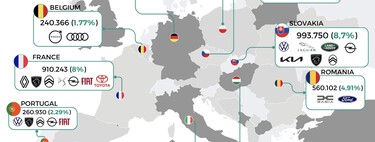
At the 2024 Paris Motor Show, Renault’s leadership acknowledged Spain’s significant role in hybrid vehicle production, indicating a commitment to expanding operations amidst pressure from French unions for electric projects. Spain holds the position as the second-largest vehicle manufacturer in Europe, and the reinforcement of hybrid production at the Valladolid plant signifies a strategic move to accommodate enduring market demands.
What Lies Ahead
The future of the Renault plant in Valladolid appears robust, yet questions remain about sustaining this commitment under new leadership. The forthcoming updates to Renault’s roadmap may offer insights into strategic directions and the continued emphasis on hybrid technology. As the automotive landscape evolves, the resilience of Valladolid’s historic plant is a testament to the enduring legacy of the combustion engine amidst modern challenges.