
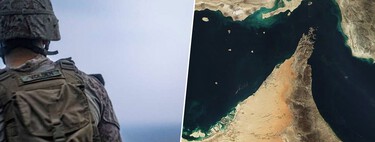
The Strait of Hormuz: The Global Energy Lifeline
Just enter the tracking platform Marine Traffic to understand the magnitude of the paralysis. Dozens of red dots, representing colossal merchant ships, crowd motionless off the coasts of Oman and the United Arab Emirates. The steel giants do not dare to cross a strip of water that, at its narrowest point, barely measures 33 kilometers.
The Current Crisis: Echoes of 1973
The Strait of Hormuz serves as the planet’s primary energy artery. A fifth of the world’s oil—approximately 20.9 million barrels per day—and a significant percentage of global liquefied natural gas (LNG) transit its waters daily. Presently, this vital route is effectively blocked. Western nations are being gripped by a fear reminiscent of the energy crisis and rampant inflation of 1973 as tensions escalate.
The current crisis ignited after a war escalated in the Middle East, triggered by U.S. and Israeli military actions that led to the assassination of Iran’s Supreme Leader, Ayatollah Ali Khamenei. In retaliation, Tehran unleashed a barrage of drones and missiles targeting American allies, causing a blockade of the Strait of Hormuz.
Immediate Economic Consequences
The repercussions have been swift and severe. An Iranian drone strike disabled the Ras Laffan facility in Qatar, the world’s largest LNG export facility, and prompted Saudi Arabia to halt operations at its Ras Tanura refinery. The violence has reached maritime areas, with reports of attacks on oil tankers leading to both injuries and environmental catastrophes, such as oil spills.
Consequently, shipping giants like Maersk and MSC have ordered their fleets to seek safe harbor, causing logistics rates to skyrocket. The cost of leasing large tankers has surged by 600%, now hovering around $200,000 per day. Insurance premiums for war risk have also increased by up to 50%, indicative of market panic, as analysts warn of potential impacts “three times the scale of the energy crisis we saw in the 1970s.”
Logistical Collapse and Future Implications
The issues of halted shipping extend beyond mere delays; they pose significant logistical threats due to storage limitations. Iraq has already begun to reduce output from its giant oil fields, while Kuwait is expected to follow suit if the blockade continues. Financial markets are reflecting this stress, with Brent crude oil futures reaching extreme backwardation, indicating an immediate shortage of barrels.
If the closure of the Strait persists, crude oil prices could soar above $100 per barrel, sounding alarm bells worldwide. The prospect of a prolonged crisis raises questions about how global economies can adapt, especially considering that OPEC has limited capability to increase production in the absence of logistical support.
The Differences from 1973
Despite the gravity of the situation, the macroeconomic landscape today differs significantly from that of the 1973 oil embargo:
- The New Oil Sheriff: The U.S. economy now relies far less on crude oil; it is also the world’s largest oil producer, shielding it somewhat from supply shocks.
- Market Myopia: Experts suggest market reactions may be overly pessimistic. With the primary U.S. military objectives achieved, short-term impacts may be limited, and military campaigns are expected to be brief.
- Alternative Shipping Routes: Saudi Arabia can reroute oil through its East-West pipeline to the Red Sea, and Iraq has resumed modest oil flow to Turkey, showcasing flexible logistics.
- Safety Nets: Global reserves can provide a buffer during this crisis; enough to withstand initial turbulence in supply chains.
Strategic Winners and Losers
Although chaos typically breeds economic opportunities, the real battles lie outside the Persian Gulf. China is poised to gain, having strategically stockpiled discounted oil. Meanwhile, Europe faces the dilemma of its energy policies as it seeks alternatives to Russian and Qatari supplies, leading to potential hypocrisy in its geopolitical strategies.
The ongoing conflict also benefits U.S. industries that utilize cheaper natural gas, widening the gap between American companies and their European and Asian competitors.
The Future: A Delicate Balance
As this crisis unfolds, the global economy hinges on unpredictable factors: the duration of the conflict, the prospects of reopening Hormuz, and further damage to facilities. Ultimately, while diplomacy could offer long-term solutions, the immediate fate of global energy markets rests in the hands of those controlling the vital shipping routes.