
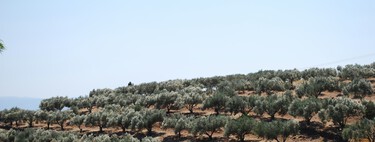
The Rise of Agricultural Investment in Spain
According to a thorough report by Greenpeace and Datadista, venture capital is managing an astonishing 100 billion euros in farmland across the Iberian Peninsula, through approximately 900 investment funds. This trend is not limited to Spain, as it represents a global phenomenon. In 2015, only 45 specialized funds existed globally in “agribusiness”; today, their number has surpassed 1,000.
A Surge in Real Estate Transactions
Since 2019, Spain has witnessed a 20% increase in property transactions, with around 148,000 properties sold in just 2023. Alarmingly, nine out of ten properties in Andalusia were purchased without a mortgage. While the financialization of the countryside has been a topic of discussion for years, the profound impact of this process has only recently come to light.
Changing Dynamics of Land Ownership
The New Faces of Land Ownership
The report illustrates a significant shift in the demographics of land buyers. Now, ownership is rapidly transitioning from traditional businessmen or landowners with local ties to investors—predominantly specialized investment funds, large corporations, and wealthy family estates.
Emergence of Specialized Management Companies
This fundamental change has sparked the rise of specialized intermediaries. Firms like Balam and Todolivo enable inexperienced investors to manage agricultural operations as if they were franchises, taking care of everything from genetic advancements to harvest logistics. This model, while financially lucrative for investors, raises pressing concerns about its effects on the local agricultural economy.
The Diminishing Impact on Local Employment
Experts studying these transformations report a troubling trend: changes in ownership and management are leading to a decline in meaningful local employment. For instance, between 2014 and 2017, Andalusia lost 178,957 agricultural jobs. Despite billions flowing into Spanish agriculture, the financial benefits are seldom trickling down to local communities.
The Importance of Understanding This Shift
The Implications for Rural Communities
The swift transformation of rural landscapes comes with broad implications, exacerbated by pressures such as a generational transition crisis, irregularities in water management, and challenges related to the Common Agricultural Policy (CAP). These elements contribute to a climate of uncertainty, making it difficult to predict the future of rural economies.
Direct Consequences for Consumers
This evolving agricultural landscape also affects consumers. For example, as the market for Extra Virgin Olive Oil (EVOO) adapts, we may see increased price volatility, even in plentiful harvests. Furthermore, a shift towards varietal uniformity—focusing on super-intensive crop varieties—threatens local biodiversity, contributes to rural depopulation, and deepens the socio-cultural disintegration of landscapes characterized by empty Spain.
Conclusion
The phenomenon of financialization in agriculture is reshaping the very fabric of rural Spain, presenting challenges and opportunities alike. As investors from around the world pour funds into farmland, it’s crucial to remain vigilant about the long-term implications for local economies and communities.