
## The Demise of Xiaomi’s Bargain Era
Xiaomi began its journey with a bold promise: to expose the inflated prices of major players like Samsung and Apple. Their mantra emphasized that decent smartphones need not cost a fortune, and in doing so, they aimed to democratize technology. This strategy propelled Xiaomi to become the third-largest smartphone brand globally, boasting a 14% market share. However, the recent Mobile World Congress (MWC) in Barcelona showcased a significant shift in Xiaomi’s strategy, one that seems to shed the brand’s bargain identity in favor of luxury.
## The Shift to Premium Pampering
At the heart of this shift is the newly unveiled Xiaomi 17 Ultra, priced at a staggering 1,500 euros, earning collaboration with renowned camera brand Leica. Accompanying this is the SU7 Ultra, which boasts record-breaking performance on the Nürburgring, and the ambitious Vision Gran Turismo hypercar concept, designed to compete alongside titans like Ferrari and Porsche.
### The Numbers Speak Volumes
Xiaomi’s pivot to a premium market is not purely aspirational but a necessary strategy driven by declining sales figures:
– The average selling price of its smartphones experienced a nearly 3% drop in 2025, attributed largely to the overwhelming presence of its budget Redmi line.
– In its home market of China, Xiaomi finished the year in fourth place, trailing behind competitors like Apple and a resurgent Huawei.
– With annual R&D expenditures exceeding $4 billion, the pressure to offer cheap smartphones no longer aligns with business sustainability, making this premium transition imperative.
## Riding the Wave of Fantasy
Xiaomi’s introduction of the Vision Gran Turismo is notable, not only for its conceptual brilliance—a 900-volt electrical hypercar boasting nearly 1,900 horsepower—but also for its implications for brand positioning. By entering the realm of fantasy, Xiaomi can sit at the same table as Porsche without the burden of past expectations, thus recreating its brand narrative in a space unencumbered by its budget origins.
### Visualizing the Future
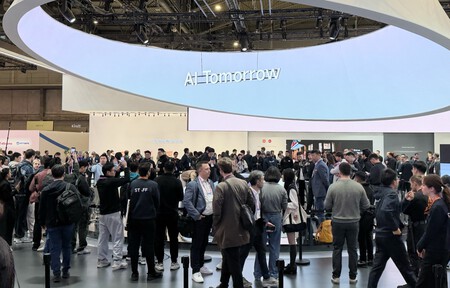
Photos from the Xiaomi stand at MWC reveal a stark focus on its upmarket products. Artistic displays featuring the Leica collaboration, the SU7 Ultra, and the Vision GT overshadow the brand’s more affordable devices, which remain conspicuously absent from the limelight.
## The Identity Crisis
This transition mirrors Hyundai’s successful launch of the Lexus brand, albeit with a significant difference: Hyundai maintained a distinct separation between brands. Xiaomi, in contrast, seems to be grappling with its identity, as it attempts to align an ecosystem stretching from budget smartphones to luxury hypercars under a single logo.
### The Stakes of Premium Branding
The risks associated with this strategy are profound. While high-end margins are enticing, luxury products build credibility over time. Xiaomi still carries the weight of its past as a budget choice for many consumers. Convincing customers of a sudden elevation in value—transforming from a bargain brand to a luxury name—poses a daunting marketing challenge.
### A New Game
In conclusion, Xiaomi’s attempt to redefine itself amidst luxury offerings presents both an opportunity and a risk. As the company navigates this complex terrain, the narrative of tech democratization it once championed faces the ultimate test: can it shed its bargain reputation and emerge as a formidable contender in the luxury tech market? The coming years will undoubtedly reveal whether Xiaomi can pull off this ambitious transformation.