
The Context of the February 23 Coup Attempt
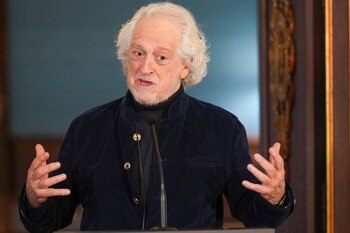
In a recent interview with Canal Sur Radio, Alejandro Rojas Marcos, a significant political figure in Spain, addressed the controversial events surrounding the failed coup d’état on February 23, 1981, also known as 23F. Following the declassification of secret documents, Rojas Marcos asserted that the government should have released these files much earlier, criticizing various administrations, including those led by Felipe González, José Luis Rodríguez Zapatero, and Mariano Rajoy, for their failure to disclose crucial information.
The Notion of a “Soft Coup”
Rojas Marcos attributed the events of 23F to what he terms a “soft coup” orchestrated between King Juan Carlos I and the then-prime minister Felipe González. He emphasized that this covert maneuver not only played a role in the coup attempt but also contributed to the resurgence of military extremism in Spain, which culminated in the violent actions led by former lieutenant colonel Antonio Tejero.
Understanding Tejero’s Motives
Reflecting on the motivations behind Tejero’s actions, Rojas Marcos explained that they stemmed from a perception of democracy as an adversary. He connected this viewpoint to the legacy of Francisco Franco, highlighting the historical foundations of repression and violence embedded in Spanish political culture. Rojas Marcos vividly recalled the tense atmosphere during the coup attempt, stating, “This man put Spain in danger,” underscoring the perilous nature of Tejero’s armed intervention.
Implications of the Soft Coup
Rojas Marcos further contended that this alleged soft coup provided the military extreme right with a pretext to pursue violent alternatives. While he acknowledged a lack of direct evidence implicating King Juan Carlos or González in ordering Tejero’s actions, he firmly believed that the circumstances cultivated by their maneuver created a fertile ground for the coup’s violent execution. “Neither Juan Carlos I nor González are stupid enough to send Tejero,” he remarked, asserting the evident presence of a calculated plan that enabled the coup.
Questioning the King’s Actions
In his critique, Rojas Marcos also questioned King Juan Carlos’s response during the crisis. He highlighted the monarch’s delay in instructing General Milans del Bosch to pull back troops, suggesting that this lack of decisive action was inexplicable. According to Rojas Marcos, this hesitance undermined democratic norms by delegating responsibility to General Alfonso Armada, who sought to propose a political alternative involving the PSOE in a new government.
Calls for Transparency
The former mayor reiterated the importance of timely disclosures about such pivotal events in Spain’s history, as failure to do so can obscure the democratic memory. He noted that while it is understandable for the right to shy away from discussing its extreme factions, socialist and popular leaders owe the public explanations for their reluctance to reveal key information about the coup.
Legacy and Lessons Learned
As Spain processes the recent passing of Antonio Tejero, Rojas Marcos underscored the need for thorough analysis of the coup attempt. He called for lessons to be drawn from both 23F and the historical context of the Franco regime to ensure that future threats to democracy are preemptively addressed. He emphasized that understanding the causes and ensuring access to declassified documents are essential for safeguarding Spain’s democratic framework.