
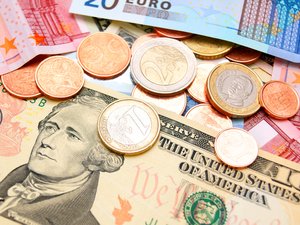
The euro surged by 15% against the dollar on February 25, 2026, reaching a notable exchange rate of $1.18. This substantial appreciation significantly impacts European consumers, enhancing their purchasing power and lowering energy costs. However, this positive shift comes with disadvantages for exporting companies that face increased challenges in global markets.
## The Impact on European Consumers
### Enhanced Purchasing Power
The remarkable rise of the euro means that products imported and priced in dollars become more affordable for European consumers. As highlighted by economic experts like Simon-Pierre Sangayrac, consumers benefit from the favorable exchange rate, allowing them to purchase goods previously priced higher in euros. The newfound strength of the euro translates to immediate savings on everyday purchases, such as electronics, clothing, and even food items sourced from dollar-linked markets.
European tourists also stand to gain significantly from this shift. With a stronger euro, travel expenses in the United States decrease, providing more opportunities for leisure and tourism without straining budgets. Dining out, shopping, and indulging in various attractions in the U.S. become more enticing, making travel abroad more accessible for Europeans.
## The Challenges for Exporting Companies
### Reduced Competitiveness
While consumers revel in lower prices, exporting companies in Europe grapple with challenges posed by a stronger euro. The appreciation of the euro means that European products, when sold on the international market, become more expensive compared to similarly priced items in other currencies. This increase in cost reduces the competitiveness of European exports, potentially leading to lower sales abroad.
For instance, French manufacturers facing a stronger euro may find their products less attractive to foreign markets, where similar goods priced in dollars or yen appear comparatively cheaper. As a result, this currency shift could negatively affect overall economic growth and employment within export-driven sectors.
## Energy Pricing Effects
### Lower Energy Bills for Consumers
The rise of the euro also directly affects energy prices, particularly oil, which is traded mainly in dollars. With the stronger euro, European oil companies can purchase oil at a reduced cost, translating to lower fuel prices for consumers at the pump. This reduction in energy expenses can have a cascading effect on household budgets, allowing consumers to save or spend their money in other areas of the economy.
As energy prices decrease, not only does it benefit individual consumers, but it also supports businesses reliant on transportation and logistics. With lower transportation costs, businesses can potentially offer competitive pricing, enhancing overall economic activity.
## Conclusion
The recent surge in the euro against the dollar presents a mixed bag of consequences for European consumers and businesses. On the one hand, consumers enjoy increased purchasing power, particularly in international travel and imported goods, while also benefitting from reduced energy costs. On the other hand, exporting companies must navigate the challenges of making their products less competitive on the global stage.
As the dynamics of currency fluctuations continue to evolve, both consumers and businesses will need to adapt to the shifting landscape. Understanding these consequences is crucial for making informed purchasing and business decisions in an ever-changing economic environment.