
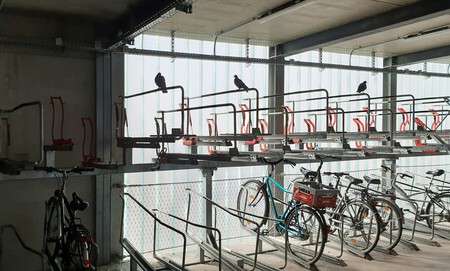
New Bicycle Spaces in Spanish Building Code: A Step Towards Sustainability or Increased Housing Costs?
As Europe pushes forward with its sustainability agenda, Spain’s government is making significant changes to the Technical Building Code (CTE). This initiative aims to enhance the energy efficiency of buildings while reducing their environmental impact, with a notable requirement for new properties to include designated bicycle parking spaces. However, this move has sparked a heated debate in the construction and real estate sectors.
Overview of the Changes
The proposed modifications align with European directives, specifically the Directive 2024/1275 from the European Parliament. According to the Ministry of Housing and Urban Agenda, this is positioned as one of the most ambitious updates to the CTE since its inception. The core aim is to shift focus towards “sustainable mobility,” compelling developers to incorporate bicycle parking into their designs.
Cost Implications of the New Regulations
Critics, including voices from the construction sector, have expressed grave concerns regarding the financial burden that these new regulations could impose. They argue that the added costs associated with implementing these requirements will exacerbate the existing housing crisis. It has been projected that the costs for new housing could surge by as much as €12,000 initially, escalating to €18,000 once fully implemented, which could further strain affordability in an already challenging housing market.
Specifics of the Bicycle Parking Regulations
The draft outlines that buildings featuring parking spaces for cars must also provide adequate facilities for bicycles. This includes:
- A minimum dimension of 2.00 x 0.4 meters for bicycle parking spaces.
- For buildings with 20 or more bicycle spots, at least 5% must accommodate larger bicycles or those for people with disabilities.
- Residential properties are required to provide at least two bicycle spaces for each housing unit.
Broader Environmental Goals
Beyond simply increasing bicycle parking, the revisions to the CTE echo broader environmental objectives, focusing on controlling carbon emissions throughout a building’s lifecycle. The initiative is part of Spain’s commitment to align itself with European Union standards on sustainability, which also include stringent anti-fire regulations following recent tragic events.
Community Response and Ongoing Debate
The implementation of these guidelines has spurred extensive debate among stakeholders, with divided opinions on whether the social and environmental benefits outweigh the potential financial drawbacks. While proponents argue for long-term benefits, skeptics highlight the immediate burden on homebuyers and tenants.
As legislation continues to evolve, stakeholders await further deliberations and modifications from government authorities. The real question remains: will these ambitious sustainability goals help create a greener future for Spain, or will they further complicate the already complex housing landscape?
Images | Alexander Van Steenberge (Unsplash) and Liona Toussaint (Unsplash)