
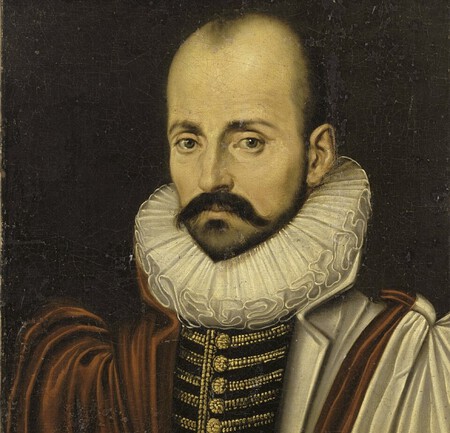
Montaigne: A Timeless Voice Amidst Modern Polarization
Michel de Montaigne (1533-1592), often heralded as the father of the modern essay, embodies the spirit of the Renaissance—a period rich in political turmoil and vibrant intellectual pursuit. His reflections resonate even more than four centuries later, providing insight into the human condition that echoes in today’s climate of increasing polarization. Montaigne’s unique style, noted for its introspective nature, encourages individuals to reflect on their own lives rather than merely recount their accomplishments. He famously stated, “I myself am the subject of my book,” positioning personal experience as a mirror for human understanding.
Understanding Polarization Through Montaigne’s Lens
In a world that increasingly feels divided, where 14% of Spaniards reported severing ties over political disagreements, Montaigne’s ideas are as relevant as ever. His exploration of how to live well serves as a guide for grappling with the harsh realities of societal fragmentation. As people retreat into ‘echo chambers,’ Montaigne invites us to confront our differences with openness and humility.
The Core Questions of Existence
Central to Montaigne’s writing is a profound curiosity about life itself. He continually asks, “How do we live?” This inquiry, meant to elicit a deep understanding of personal fulfillment, remains imperative today. His reflections push us to confront uncomfortable truths and seek commonality in our diverse experiences.
Montaigne’s Recommendations for Engaging with Dissonance
Turning to his seminal work, Essays, we find an aphorism that resonates deeply amidst the noise of modern debate: “No one is free to say stupid things; the bad thing is to say them with emphasis.” This assertion serves as a reminder of the responsibility that comes with expression. Montaigne’s counsel on honesty, moderation, and prudence can serve as a balm for contemporary discourse riddled with hostility.
Honesty, Moderation, and Prudence: Keys to Reducing Tension
Montaigne advises that honesty be the cornerstone of our conversations. Remaining true to oneself while also understanding the perspectives of others can create a space where genuine dialogue flourishes. Furthermore, moderation allows for thoughtful engagement without the escalation of inflammatory rhetoric. Finally, prudence suggests careful consideration before responding—an essential practice in emotionally charged discussions.
Diversity as a Fundamental Human Quality
Montaigne wisely notes that there have never been two identical opinions, emphasizing the inherent diversity in thought. Recognizing this allows us to appreciate differences rather than fear them. As we navigate through polarized environments, embracing this diversity can foster a culture of understanding and respect.
Conclusion: Embracing Montaigne’s Wisdom in Today’s Climate
In a time where societal debates threaten to tear relationships apart, Montaigne’s insights remind us of our shared humanity. He encourages us to remember that everyone is prone to error and that it is our approach to discourse that ultimately shapes our social fabric. As we reflect on these timeless lessons, let us endeavor to engage with compassion, understanding, and a commitment to honest dialogue. Montaigne whispers to us across the centuries, urging a return to the fundamental virtues that can help heal a fragmented society.