
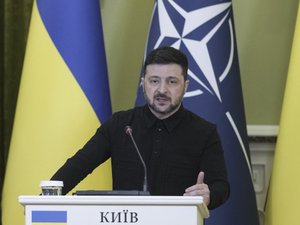
Ukrainian President Volodymyr Zelensky stated on Wednesday that elections in Ukraine will only take place after a ceasefire with Russia is established and adequate security guarantees are secured. This announcement comes amid speculation of an early presidential election that allegedly could be pushed by the United States. Zelensky’s comments also coincide with Kyiv’s acceptance of a U.S. proposal for direct talks with Russia, set to occur next week in Miami.
Zelensky’s Conditions for Elections
President Zelensky emphasized that the Ukrainian leadership would not move forward with elections until the situation on the ground improves. He underscored, “We will move on to elections when all the necessary security guarantees are in place. It’s very easy to do: establish a ceasefire and there will be elections.” This statement highlights the importance of a stable environment in which the people can confidently express their political will.
Zelensky responded directly to rumors propagated by the Financial Times about potential elections and referendums on peace agreements before mid-May, rejecting any notion that Washington had pressured Ukraine to hold elections. He reassured the public that there have been no threats concerning the withdrawal of U.S. security guarantees linked to electoral timelines.
Rejecting Political Timing
One significant point made by Zelensky was his firm rejection of the idea of announcing elections on February 24, the anniversary of the Russian invasion. He described such a move as “totally stupid,” emphasizing that this date should not be politicized. His commitment to respecting the gravity of this date reflects the broader sentiment in Ukraine regarding the ongoing conflict.
Future Negotiations in Miami
Additionally, Kyiv has accepted the invitation for direct negotiations with Moscow in Miami, although President Zelensky noted that Russia appears hesitant to engage in these discussions. The ongoing challenges primarily revolve around territorial disputes and the terms of any potential peace agreement. Zelensky remains adamant that any agreement will ultimately need to be validated through a public vote once security conditions allow for such a democratic process.
Zelensky pointed out that the concept of organizing a referendum on peace agreements is not new and was discussed during previous negotiations between Ukrainian and Russian officials, as well as American intermediaries. This plan has garnered support among political factions in Ukraine, with key figures like David Arakhamia from the presidential party advocating for the referendum.
Conclusion
As Ukraine navigates these complex political waters, the possibility of future elections hangs in the balance, influenced heavily by the outcomes of negotiations and the broader security landscape. With international dynamics in play and pressures from various stakeholders, the path ahead for Ukraine remains fraught with challenges, underscoring the need for cautious optimism among its citizens.