
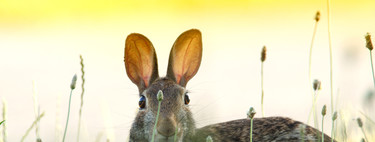
## The Rabbit Situation in Villa de Don Fadrique
In Villa de Don Fadrique, a town in the province of Toledo, local authorities have initiated a drastic measure to combat the burgeoning rabbit population. The town hall has activated an extraordinary authorization to allow the daily shooting of rabbits, effectively inviting volunteers to participate in this total war against the rodents that have become an increasingly severe headache for farmers across Spain.
### The Plague of Rabbits
Strangely enough, while the European rabbit was classified as a threatened species on the IUCN Red List in 2019, it has simultaneously been declared a pest. This duality raises an intriguing question: can a species be both endangered and proliferating to the point of becoming a nuisance? The clear answer is yes.
The Union of Farmers and Ranchers of Castilla-La Mancha has voiced concerns over the rabbit population explosion, citing a decade-long problem that threatens crops, particularly olive groves and pistachio and almond trees. They argue for stricter population control measures.
### Economic Impact on Agriculture
The financial implications of this rabbit crisis are substantial. According to a sectoral report, rabbits account for a staggering 64% of agricultural insurance claims related to wildlife damage, affecting tens of thousands of hectares annually. Farmers are increasingly feeling the weight of this economic burden, forcing them to take action.
### Rabbit Population Decline
Despite the ongoing issues with rabbits, there’s evidence showing a general decline in their populations. The implications of this decline extend beyond the rabbits themselves; they are pivotal to the food chain, serving as a primary source of sustenance for over 30 species, including the Iberian lynx and the imperial eagle.
This upheaval in the rabbit population has been occurring for several decades, largely due to diseases such as myxomatosis and rabbit hemorrhagic disease. The recent emergence of a new viral strain known as RHDV2 has further complicated their recovery, especially since populations were just beginning to stabilize.
### Habitat Changes and Repopulation
Compounding the challenge is the transformation of landscapes, with traditional habitats disappearing and agricultural practices evolving. Interestingly, rabbits have adapted remarkably well, finding new breeding sites along roadways and in areas where irrigation and crops provide abundant food.
This unexpected rearrangement means that although rabbit populations may be smaller overall, they are now concentrated in areas that inflict greater damage to crops.
### A Conflict of Interests
This situation has created a complex conflict between farmers and wildlife conservationists. While farmers push for the removal of rabbits from agricultural lands, conservationists advocate for their recovery in natural habitats. Both perspectives hold merit, yet a comprehensive understanding of this multifaceted issue remains elusive.
The plight of the rabbit serves as a microcosm of a larger environmental struggle, where the interests of agriculture and conservation often clash. As Villa de Don Fadrique takes measures to mitigate its rabbit problem, the broader implications of their actions will continue to be a topic of debate.