
El Defensa Coge la Otra Mano de Dios: Araujo’s Spiritual Journey
Ronald Araujo, the Uruguayan football player, embarked on a transformative journey to seek solace and strength in his faith, diverging from traditional therapeutic approaches. While critics may recall Diego Maradona’s infamous “Hand of God” that marked a World Cup, Araujo seeks a different divine hand—one that offers genuine mercy and healing for his suffering soul.
A Spiritual Pilgrimage
Araujo’s travels to the holy city of Jerusalem symbolize a deep spiritual quest. This pilgrimage is not merely a tourist endeavor but an earnest search for connection with Jesus, hoping to revive not just his body but his spirit. This experience resonates with Ainara, a character from the fictional work “Los Domingos,” highlighting the unexpected and often skeptical gazes of those around him at FC Barcelona, where he is a beloved figure.
Unlike countless athletes who often resort solely to psychological therapies, Araujo turns toward his faith. The intangible pathways of spirituality may provide him comfort, yet there remains a lingering question: Will faith alone be adequate for his mental health challenges?
The Weight of Failure
The specter of failure loomed large over Araujo after an unfortunate incident—a red card during a Champions League match against Chelsea left him in a state of isolation, trapped within the walls of his own doubts. This incident lays bare the pressure athletes face and raises eyebrows, as top clubs like Barcelona and Real Madrid notoriously lack dedicated sports psychologists. Experts argue that this absence has exacerbated the mental struggles of players like Araujo.
Prominent players, including Iniesta and Bojan, have faced similar pressures, demonstrating that mental well-being should not be ignored in elite sports. Araujo’s case exemplifies a growing need for emotional support alongside physical training.
The Christian Influence
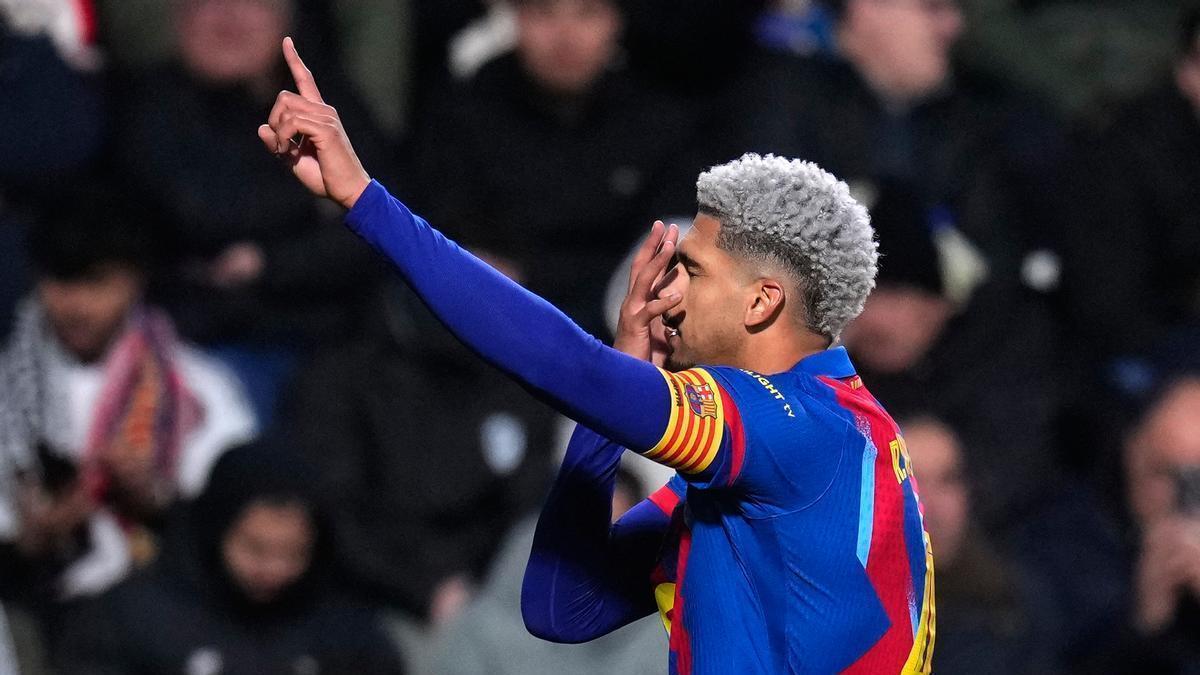
Raised in Rivera, a city near Brazil with a rich cultural and religious tapestry, Araujo’s connection to the Methodist Church shapes his worldview. His faith manifests publicly, as demonstrated in a recent Copa match against Albacete. After scoring, he shared a heartfelt message on social media, attributing his success to God, illustrating the intertwining of his athletic achievements with his spiritual beliefs.
His wife, Abigail Olivera, whom he married in a Methodist ceremony, has been a cornerstone of support, emphasizing the significant role of family and faith in his journey back to the field.
The Broader Context of Faith in Sports
Faith among athletes is not uncommon, especially in South America. Figures like Kaká and Dani Alves have integrated their beliefs into their lifestyles, exhibiting a spiritual side that transcends the boundaries of their athletic careers. Alves, after facing legal troubles, has reemerged as a preacher, reinforcing how faith can provide redemption and purpose.
While Araujo continues to navigate his path, it’s crucial to balance faith with ongoing support systems. The Barcelona club is aware of the sensitivities surrounding Araujo, opting for a supportive approach that respects his personal journey while ensuring professional guidance.
Conclusion: Embracing Faith and Resilience
The intertwining of faith and personal struggle defines Araujo’s journey. As he continues to seek divine support, the player embodies a lesson for many: Vulnerability in the face of pressure is universal. The balance of faith and mental health creates a holistic approach to recovery, allowing every hand extended to Araujo—be it from God or those around him—to uplift his spirit and courageously face the future.