
European Brands in China’s Luxury Market
Much has been written about the decline in sales of European manufacturers in China. Brands like Volkswagen, Porsche, and Mercedes have seen significant downturns in a market that was crucial for their annual results. However, there is one niche where these brands still shine.
The Unnoticed Luxury Niche
This hidden gem is the extra-luxury market, where vehicles exceed one million yuan (approximately 122,000 euros). According to a recent report from CarNewsChina, only one Chinese brand, BYD, has made it to the top-sellers list in this category. Incredibly, 90% of the list features traditional European brands, underscoring the remarkable yet overlooked dominance of Europe in this specific segment.
Top Performers: Porsche and Mercedes
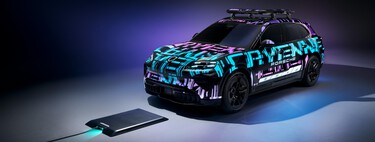
Porsche holds the title for the best-selling vehicle in this elite market, with the Cayenne SUV leading the way. It sold 17,194 units in 2025, followed closely by Land Rover with its Range Rover and Defender models. Mercedes is also a strong contender, appearing multiple times on the list with its diverse lineup, including the S-Class and G-Class.
Visual Insights:
Despite its commanding presence, however, the sales figures paint a more sobering picture. Mercedes reported just 38,000 units sold in the extra-luxury segment, highlighting the minuscule market volume.
The Exception: BYD
Interestingly, BYD has made strides in this hyper-luxury sector with its YangWang U8 and U8L models. These vehicles have exceeded a thousand units in sales and are designed to appeal to the luxury consumer with features like plug-in hybrid capabilities. Their unique selling proposition includes the astounding capability of floating on water, setting them apart from traditional luxury vehicles.
The Decline of Traditional Sales
The numbers reveal a worrying trend for European manufacturers. For instance, Porsche’s sales have plummeted from nearly 89,000 units in 2020 to just 42,000 in 2025—a remarkable decline of 26% year-over-year. Mercedes, while still maintaining a dominant position, also experienced a 12% drop in overall sales, down to 460,000 units compared to nearly 775,000 units in 2020.
The Shift towards New Energy Vehicles
Another aspect impacting traditional brands is the increasing consumer preference for new energy vehicles (NEVs), which include plug-in hybrids and fully electric models. Currently, NEVs account for nearly 60% of all vehicle sales in China, contributing to the decline in gasoline-powered vehicle sales, which have dropped from 17.8 million in 2020 to just 10.85 million today.
The Price War
To compound these challenges, a fierce price war is raging in China’s automotive landscape, compelling manufacturers to slash prices significantly. Traditional companies are struggling to compete with local Chinese brands that offer hyper-luxury features at more accessible price points.
Comparative Example:
The newly launched Xiaomi SU7 Ultra is priced at 814,900 yuan, a stark contrast to the Porsche Taycan Turbo, which almost reaches two million yuan.
The Conclusion
The euro-centric luxury brands’ success in China is confined to an exclusive segment with limited volume. As consumer preferences shift and local manufacturers gain ground, the future of European luxury in China may hinge on adaptability and innovation.
These intricate dynamics within the luxury automotive industry not only reveal the fragile state of European manufacturers in a highly competitive market but also underscore the shifting landscape dominated by local innovation.