
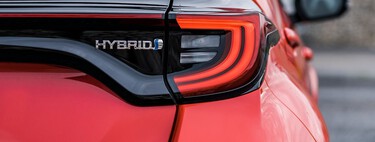
The Rise of Hybrid Vehicles in Europe
In 2025, Europe witnessed a significant surge in hybrid vehicle sales, as reported by ACEA. Hybrid cars accounted for 34.5% of total sales, outperforming gasoline vehicles that held 26.6% of the market share.
What Exactly Are Microhybrids?
Within this growing hybrid category, a distinction must be made for microhybrids. These are gasoline vehicles equipped with a minor electric motor, functioning primarily as a starter and occasionally providing minimal assistance to the gasoline engine. Typically operating on either 24 or 48 volts, the impact of these electric motors on fuel efficiency is negligible—achieving only minor reductions in consumption.
Microhybrids vs. True Hybrids
This raises a pertinent question: should microhybrids be classified alongside genuine hybrid vehicles? Theoretically, they fit the hybrid criteria, but practically, their fuel savings and emission reductions are minimal. Their classification can mislead consumers about the environmental benefits, as their actual impact is often overstated.
Environmental Regulations and Misclassifications
The issue compounds when microhybrids receive environmental seals that grant them access to low-emission zones. Different European countries have adopted varying standards for classifying these vehicles. For instance, Germany assigns top-tier emissions stamps indiscriminately to gasoline cars, while France treats hybrids of a certain Euro standard similarly.
Spain’s Unique Classification System
Spain, however, employs a distinct approach to environmental labeling. The DGT (Dirección General de Tráfico) classifies vehicles under several labels, ranging from A to Zero emissions. Microhybrids, due to their classification as hybrids, receive an “ECO” label, which provides benefits over non-hybrid gasoline cars.
This classification can mislead consumers. A microhybrid may receive an ECO label while still falling short of actual emissions reductions. In cities like Madrid, microhybrids benefit from lower road taxes and parking fees, creating a system where less efficient vehicles receive preferential treatment.
Contradictions in the Market
For instance, a seat Ibiza producing 113 g/km of CO2 holds a C label, while larger cars like the Audi Q7 with much higher emissions can still qualify for the ECO label because of their hybrid capabilities. This allows high-emission vehicles to freely navigate city zones that restrict older gasoline models, creating confusion and undermining efforts to reduce pollution.
Mexico’s Progressive Approach
Interestingly, a different perspective is observed in Mexico, where officials have recognized microhybrids as less environmentally friendly. New regulations classify these vehicles as having a ’00’ hologram, signifying they hold no advantage over standard gasoline vehicles. Prior to this, microhybrids qualified as ‘Exempt’ but were reclassified due to their minimal electric assistance.
Better Transparency for Consumers
Mexico’s stance offers clarity for potential buyers who may confuse microhybrids with true hybrids. This distinction has significant implications, especially since many consumers may be unaware of the subtle differences and might expect greater environmental performance from their purchases. Unlike Europe, which offers substantial benefits to microhybrids, Mexico emphasizes practical emissions testing.
Conclusion
Microhybrids, while categorized as hybrids, offer limited real-world benefits in terms of fuel efficiency and emissions reduction. Many buyers may be misled into believing they are investing in environmentally friendly technology. As various regions adopt differing classifications, it is imperative that consumers remain informed to make better decisions for the environment and their wallets.