
The Super Bowl Ads Battle: Anthropic vs. OpenAI
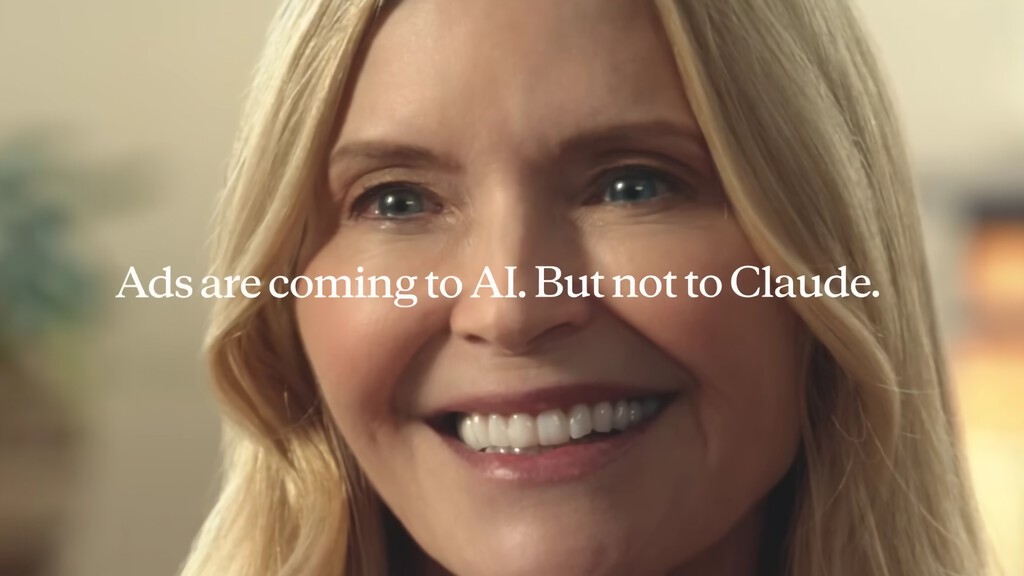
Anthropic has recently ignited a fiery debate in the AI space, unveiling ads during the Super Bowl that mock its biggest competitor, OpenAI. The ads depict scenarios like virtual therapists pushing dating apps and personal trainers offering “boosts” for short individuals, with the slogan: “Ads are coming to AI. But not to Claude.” This campaign has drawn sharp responses from OpenAI’s CEO, Sam Altman, who criticized Anthropic’s messages as “dishonest” and charged them with using “doublespeak.”
The Underlying Conflict: Advertising vs. Subscription Models
At its core, this rivalry isn’t merely about advertising tactics; it encapsulates a billion-dollar question regarding the future of AI: What kind of business model will dominate? The history of the internet offers two prevalent frameworks: the advertising-supported model exemplified by free platforms like Google and Facebook, and the subscription-based model found in services like Netflix and Spotify. As AI continues to evolve, it is rapidly approaching a similar crossroads.
OpenAI’s Path: Democratization Through Ads
OpenAI has embraced an advertising-supported route, introducing ads on free ChatGPT accounts. Altman defends this model, pointing out that it allows them to reach a broader audience, stating that “more Texans use free ChatGPT than the total number of people using Claude in the United States.” The idea is to democratize access to AI by reaching those unwilling to pay a subscription fee.
Anthropic’s Approach: Exclusivity and Premium Value
In stark contrast, Anthropic is positioning itself as a premium provider with Claude. The company focuses primarily on enticing high-spending clients—corporate contracts and premium subscriptions priced at $20, $100, and even $200 monthly. Altman accused Anthropic of targeting only the wealthy, suggesting that this approach reinforces existing class divisions rather than democratizing access to knowledge.
The Impact of Business Models on Product Integrity
The ramifications of these conflicting business models go beyond mere economics; they have significant implications for product integrity. An AI that relies on advertising may face incentives that compromise user experience. For instance, if an AI recommends a car based on paid sponsorships, how can users trust its recommendations for medical or legal advice? OpenAI has assured that “ads do not influence responses,” but the growing pressure for monetization could make this promise increasingly tenuous.
The Risk of AI as a Tool for Elites
Anthropic’s premium model raises concerns about accessibility. If AI becomes primarily a resource for those who can afford it, the technology could inadvertently entrench existing social inequities. The $200 subscription plans signal a move toward an elite AI, potentially creating a new kind of division in a sphere that championed knowledge democratization.
Conclusion: Two-Speed AI at the Crossroads
The clash between OpenAI and Anthropic reflects a broader dilemma facing AI development today. OpenAI aims to follow the YouTube model: accessible to all, with ad support and optional premium features. In contrast, Anthropic seeks to emulate Netflix: offering a superior, ad-free experience but stifling access for those who can’t afford it.
As AI becomes an integral part of our lives, the question remains: Will these technologies serve all of us, or will they simply monetize our interactions, leading to a two-speed AI landscape? The outcome of this conflict will not only shape the business landscape but also redefine our relationship with AI as it increasingly integrates into the fabric of everyday life.