
Revolutionizing the Ascent: Drones on Mount Everest
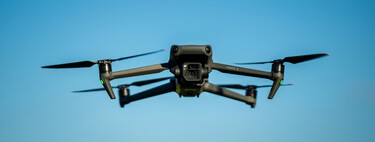
A DJI Mavic 3 Pro drone, equipped with a Hasselblad camera, has achieved a feat that was once thought impossible: capturing the entire ascent of Mount Everest in a single continuous flight. For 43 minutes, the drone ascended 3,500 meters, traversing the Khumbu icefall, the South Col, and the final walls until it reached the iconic 8,848 meters. The breathtaking images reveal not just the scenic beauty but also the infamous queues of climbers each year making their way to the summit. Check out the incredible footage here.
The Challenge of High Altitude
At such heights, oxygen levels drop to just one-third of that found at sea level. Temperatures can plummet to -30°C and winds can reach fearsome speeds, challenging even the most advanced devices. The Mavic 3 Pro, featuring a four-thirds CMOS sensor, has managed to maintain both stability and image quality in these extreme conditions. This endeavor is not solely for visual spectacle; it’s also part of a broader project from DJI aimed at demonstrating how drones can enhance safety and save lives on the world’s tallest mountain.
The Role of Drones in Mountain Rescue
DJI’s initiatives on Everest have clear commercial intentions, rebranding their drones as essential tools for rescue and logistics in extreme environments. Their goal is to show how these aerial vehicles can transport medical supplies, locate missing climbers, and assist in emergencies where thin air makes human intervention challenging. This was exemplified in 2018 when Scottish mountaineer Rick Allen was found on Broad Peak after being lost for 36 hours. A DJI Mavic drone played a critical role in his rescue, marking a significant shift in how drones are perceived in high-altitude safety.
Efficient Logistics for Climbing Season
By 2025, the Nepalese company Airlift Technology began using drones for logistics between Everest Base Camp and Camp One, drastically reducing the time required for material transport from hours to just minutes. The drone pilot, Milan Pandey, explains that in the 2025 climbing season, they successfully transported ladders, ropes, and oxygen cylinders with real-time guidance from Sherpas, who are critical in establishing fixed routes.
Safety Improvements for Climbers
The introduction of drones has significantly changed the work conditions for Sherpas, known as “icefall doctors,” who were previously required to make several strenuous trips carrying heavy equipment across perilous terrains. Now, they can access additional supplies without descending to base camp, reducing the risk of accidents significantly. Since 1953, nearly 50 climbers have died on Everest, making such safety improvements crucial.
Technological Advancements and Their Impact
On September 22, 2025, mountain skier Andrzej Bargiel completed an outstanding feat by ascending Everest without supplemental oxygen and skiing back down without removing his skis. Drones played a pivotal role in his journey, providing guidance through the treacherous Khumbu Icefall. This extraordinary event was documented using aerial footage, highlighting the technical aspects of the descent.
Visual Democratization
These advances represent a larger trend in visual accessibility. Platforms like YouTube host thousands of videos documenting mountain climbs that were previously captured only through expensive helicopter cinematography. For instance, Chinese photographer Ma Chunlin faced years of testing to finally secure a continuous recording of an Everest ascent. The democratization of such visual content allows people to experience these majestic landscapes from the comfort of their homes.
Balancing Technology and Conservation
Despite the benefits that drones provide, their proliferation in natural settings has sparked debates regarding environmental impact. Regulations differ globally, with various National Parks either prohibiting or allowing drone use under certain conditions. Striking a balance between visual access to nature and the necessity for preservation, including protecting wildlife disturbed by drone activity, remains an ongoing conversation.