
The Urgency of Re-Drilling: Europe’s Energy Dilemma
Just four years ago, Europe was grappling with a significant crisis, caught in the energy web spun by its reliance on Russian gas. The invasion of Ukraine in 2022 escalated this vulnerability, prompting a hasty and desperate pivot to cut ties with Gazprom. Today, Europe finds itself in a familiar yet concerning situation: dependency has shifted from Moscow to Washington, as the continent feels the pinch of its new energy ties.
Plummeting Gas Storage Levels
This winter has reiterated Europe’s energy vulnerabilities, as gas storage levels have dipped alarmingly to around 44%, well below the decade-long average of 58% according to Financial Times. The market’s complacency starkly contrasts with the grave reality of dangerously empty underground caverns, highlighting a precarious strategic vulnerability for the continent.
Drilling: A Return to Old Practices
Faced with such market apathy and economic pressures, Europe has dusted off its drilling equipment. Once deemed a taboo due to climate concerns, oil and gas exploration has surged back into the forefront of the energy conversation. Executive Claudio Descalzi of Eni has made it clear: Europe’s ideological hesitance to tap into its domestic fossil fuel resources has propelled it into a situation where it now must purchase energy from abroad at inflated prices.
The Dependency Trap
With the United States having supplied 60% of the EU’s Liquefied Natural Gas (LNG) as of January 2026, the continent’s diversification strategy has paradoxically led to yet another dependency. Analysts warn that while Washington may not cut off supplies outright, its dominant position allows it to leverage tariffs and prioritize other markets, challenging Europe’s industrial competitiveness.
No Simple Alternatives
The quest for alternative energy sources has proven challenging. Countries like Qatar are being tapped for support; however, geopolitical tensions, especially in the Strait of Hormuz, threaten those prospects. Norway, already near maximum production, cannot shoulder further demands.
Renewables: A Pipe Dream?
The pressing question remains why Europe is not pivoting more towards renewable energy. The reality, however, is more complicated. Infrastructure and technological advancements are lagging behind political ambitions. The wind sector, heralded as a future savior, has struggled as leading companies have seen share prices plummet amidst a conquered marketplace. Meanwhile, even as solar energy shows resilience, its intermittency proves inadequate for winter peaks.
As projections indicate a 26% increase in global gas demand by 2050 from sources like McKinsey, gas remains a strategic pillar, essential in a renewable energy landscape that requires backup provisions.
Emerging Solutions: Floating Regasification Units
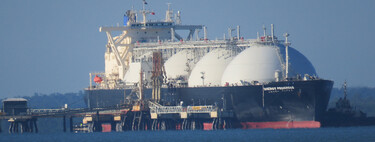
In response to immediate needs, Europe has turned to Floating Storage and Regasification Units (FSRUs) — colossal ships acting as mobile gas processing terminals. While these units cost around $155,000 per day, they exemplify Europe’s sense of urgency to avoid energy blackouts.
The Market’s New Reality
The energy market has morphed into a hyperactive financial asset environment, where gas prices react instantaneously to global events. This unprecedented volatility can influence household heating costs overnight, driven not by supply but by speculation.
Even amidst these changes, the shadow of Russia looms large. Reports suggest that Russian gas exports have increased by 10% through alternative pipelines, further complicating Europe’s efforts to sever ties completely.
Future Energy Independence: A Work in Progress
As winter approaches, Europe is learning that the promise of immediate energy independence through renewables encountered the harsh realities of both physics and geopolitics. It now faces a critical crossroads: while re-drilling may provide short-term relief, can Europe avoid falling into another dependency trap before renewable solutions materialize adequately?
The answer remains murky, heavily reliant on the delicate balance of economics, geopolitics, and technological advancements, for now, re-drilling appears to be Europe’s reluctant answer to its persistent energy woes.