
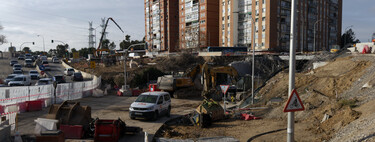
This week, January 20, 2026, works started to dismantle one of the symbols of Madrid. These actions mark the beginning of a modernization effort to enhance safety standards. The Madrid Cable Car, with over 50 years of service, is being taken down.
The goal is a comprehensive renovation of this iconic infrastructure. While the cable car will still function, the nostalgic blue cabins will not return, as the aging cables are being removed. The renovation will introduce a new system with a reduced number of cabins and faster trips, featuring AI technology for monitoring incidents. This is a pivotal moment in a story that began in the late 1960s.
A Cable Car to Nowhere
Year 1969. Madrid was on the cusp of transformation. Amid football rivalries and urban development, the city introduced a unique form of public transport: a cable car that could carry passengers through the skies.
The 1960s represented an air of change as Mayor Carlos Arias Navarro initiated extensive construction projects. Amidst urban highways and parking expansions, the cable car, meant to connect the Argüelles neighborhood to the Casa de Campo park, emerged as a groundbreaking alternative to motorized transportation.
However, this cable car was often criticized as a cable car to nowhere, linking an isolated hill to green spaces with limited nearby amenities. Initially, its Casa de Campo station was merely intended to be an intermediary stop to access the nearby amusement park and zoo.
In fact, when the cable car opened, community resistance arose over privacy concerns, as locals feared the cabins would allow glimpses into their homes. Thus, this ambitious project faced immediate challenges.
With time, the cable car continued to operate with outdated infrastructure, transporting over eight million passengers since its inception. By 2022, a safety review led to its temporary shutdown, and in 2023, it was closed indefinitely.
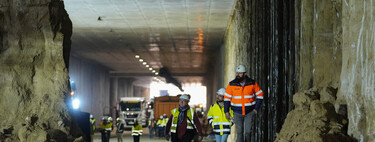
Now, as the dismantling begins, the vision for a renovated cable car is taking shape. The new installation will span nearly three kilometers over the Parque del Oeste and Casa de Campo.
The upgrades will include modern cabins and cables sourced from Switzerland, along with artificial intelligence to monitor journeys. These cabins will comfortably seat up to ten passengers per ride, reflecting a commitment to both safety and efficiency. Challenges persist, given the original design limitations from six decades ago, but the Madrid City Council is optimistic about the future.
If all goes as planned, these flying cabins will return to the skies of Madrid next year, after a five-year hiatus, nearly 60 years since the original travelers first took flight in the city.
Photo | FDV on Wikimedia and Madrid City Council
In Xataka | Madrid wants to put 110,000 tons of weight on the M-30. And the challenge is not technical: it is not to collapse the road.