
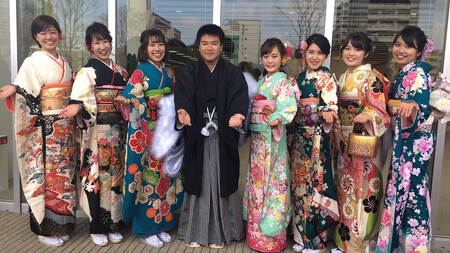
The Significance of Seijin no Hi: Japan’s Coming of Age Day
In Japan, January begins with Seijin no Hi, or Coming of Age Day, a celebration honoring young individuals who transition from childhood to adulthood. Traditionally held for those who turn 20, this ceremony has seen a decline in its celebratory nature. This shift isn’t due to a lack of appreciation for youth; rather, it reflects a troubling demographic trend in Japan, where the population of adolescents entering adulthood is increasingly diminishing.
The Demographic Dilemma
A National Crisis
Japan is currently grappling with a demographic crisis that significantly impacts its future. The evidence is stark: in the first half of 2025, the country recorded just 339,280 births, a 3.1% decrease compared to 2024. With projections suggesting a record low of 667,542 births—the least since 1899—it’s clear that efforts to correct the ongoing birth rate decline have yet to yield results.
Fewer Young Adults
As the population of newborns dwindles, so too does the number of young adults. Recent data indicates that only 1.09 million reached the age of majority as of January 1, 2025, marking the second-lowest figure on record. This decline highlights how the younger generation is disappearing at an alarming rate. For comparison, just three decades ago, in 1994, there were 2.07 million young adults celebrating this milestone.
The Changing Nature of Seijin no Hi
A Bittersweet Tradition
Seijin no Hi has evolved into a bittersweet observance. While the ceremony itself, featuring vibrant kimonos and traditional attire, remains visually striking, its meaning is overshadowed by a declining youth demographic. In 2022, the Japanese government lowered the legal age of majority from 20 to 18 years, signaling a shift in societal norms, but the core issue remains—the number of those eligible to celebrate is significantly reduced.
Academic Insights
Recent statistical analyses reveal a discrepancy in the number of young people who could commemorate this day compared to prior decades. In the late 20th century, celebration numbers were more than double today’s figures, illustrating the severity of the demographic decline. Reports even show that the population fell by over 900,000 individuals between January 2024 and January 2025, marking the largest drop in decades.
What’s at Stake?
Implications for Society
The dwindling numbers celebrating Seijin no Hi aren’t merely a statistical anomaly. This decline serves as a microcosm of broader societal concerns, with just 59% of Japan’s population currently in the working-age bracket (15-64 years)—below the OECD’s global average of approximately 65%. This imbalance poses significant challenges to the economic and social fabric of Japan.
The Need for Change
As policymakers continue to grapple with strategies to boost the birth rate, the urgency of the situation becomes increasingly evident. The year 2025 is critical, with a substantial segment of the Baby Boom population reaching retirement age, skewing the demographic balance further. The implications ripple through various sectors and necessitate immediate and effective policy responses.
Conclusion
Seijin no Hi is more than just a celebration of adulthood; it symbolizes a turning point in Japan’s demographic trajectory. The shrinking number of youth entering adulthood highlights urgent societal challenges that demand attention. As Japan navigates these complexities, the future of its traditions and societal functions hangs in the balance.
Images by Max Anderson and Wikipedia.