

Understanding the Benefits of Quitting Smoking
Doctor Ana Pérez emphasizes the substantial benefits of quitting smoking, stating that even twenty minutes after the last cigarette, measurable changes are already occurring. For instance, “in twenty minutes, the heart rate normalizes,” indicating immediate physiological improvements.
The Progression of Health Benefits
The timeline of health improvements post-quitting is remarkable. According to Dr. Pérez, within eight to twelve hours, carbon monoxide levels in the blood drop by half, and oxygen levels begin to rise. “In just twenty-four hours, your risk of heart attack starts to decrease,” she notes.
Short-term Benefits: 2 Days to 1 Month
Within just two days of quitting, tobacco-damaged nerve endings in the respiratory tract begin to regenerate, leading to a restored sense of smell and taste. Furthermore, within one month, common symptoms such as cough and respiratory distress diminish, while lung cilia start to heal, reducing infection risks.
Long-term Improvements: 1 Month to 1 Year
As quitting progresses, its impact broadens. Enhanced blood circulation ensures that extremities receive more oxygen and nutrients, improving physical activity capacity. After a month, users may notice skin improvements due to quitting, as tobacco accelerates skin aging. Notably, oral health also benefits, with reduced risks for periodontal diseases and cavities.
Emotional well-being flourishes as quitting smoking boosts self-esteem and confidence, supporting the adoption of healthier habits. Moreover, sleep quality improves since nicotine disrupts rest cycles.
Yearly and Decadal Benefits
Dr. Pérez notes significant reductions in the risk of heart attacks as well: “After a year without smoking, your risk of heart attack has already been cut in half.” Furthermore, cancer risks decrease substantially; at five years, the risk of cancers affecting the mouth, throat, esophagus, and bladder is halved, with the risk of cervical cancer and stroke aligning with non-smokers.
After a decade of being smoke-free, the risk of lung cancer is similarly halved compared to that of continuing smokers. Dr. Pérez urges those battling addiction not to let it dictate their lives, advising individuals to seek help.
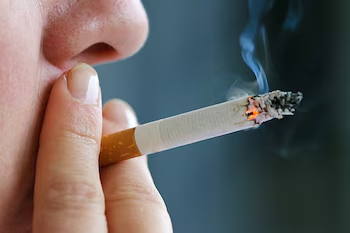
In conclusion, quitting smoking offers a multitude of health benefits that extend well beyond the initial days of cessation. Each phase of recovery brings its rewards, enhancing physical, emotional, and social well-being. It’s a journey worth embarking on for a healthier life.