Stay Cool and Hydrated with Fruits and Vegetables This Summer
As summer temperatures soar, staying hydrated becomes crucial, especially for children and older adults who are most susceptible to dehydration. Nutritionist Gisella Mauricio Córdova from the National Institute of Health emphasizes that a well-balanced diet rich in seasonal fruits and vegetables is essential for maintaining hydration and overall health.
Significance of Hydration
Dehydration can lead to serious health complications, such as heat stroke. One simple way to gauge your hydration status is by observing the color of your urine; it should be clear or light-colored, indicating adequate fluid intake. Alongside proper hydration, minimizing sun exposure during peak hours and wearing protective gear like hats is also recommended.
Fruits That Refresh
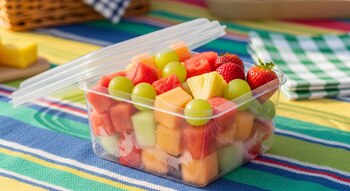
Incorporating fruits with high water content into your summer diet is a delicious and effective way to stay hydrated. Some top picks include:
- Watermelon: Comprising about 92% water, it’s refreshing and sweet.
- Papaya: Rich in vitamins and aids in digestion.
- Tangerine: A great source of vitamin C and perfect for snacking.
- Pineapple: This tropical favorite is hydrating and loaded with beneficial enzymes.
These fruits can easily be enjoyed fresh, in fruit salads, or even blended into refreshing smoothies. Unlike sugary sodas, these options provide essential nutrients while effectively hydrating your body.
Vegetables for Hydration
Vegetables are also key players in maintaining hydration. The following types are particularly beneficial:
- Lettuce: With high water content, it’s an excellent base for salads.
- Cucumber: Perfect for snacking; it’s crisp and refreshing.
Adding these vegetables to your meals not only enhances hydration but also provides necessary vitamins and fiber. Aim to incorporate two daily servings of vegetables, ideally prepared in light salads or raw snacks.
Guidelines for Optimal Hydration
To maintain proper hydration:
- Drink 6 to 8 glasses of water daily; at least 4 should be plain water.
- Supplement with low-sugar infusions or fruit-flavored waters.
- Avoid sugary and carbonated drinks as they don’t effectively quench thirst.
Children and older adults need to be closely monitored for hydration, as their bodies may not regulate temperature efficiently. Ensure that children have regular access to drinks and encourage older adults to stay hydrated, especially when temperatures escalate.
Conclusion
This summer, prioritize hydration with a diet featuring an abundance of fresh fruits and vegetables. Not only will you feel refreshed, but you’ll also be nourishing your body with the vital nutrients it needs to thrive in the heat.