
The Philosopher’s Stone of Water Purification in Sevilla
Revolutionary Concept: The ASEC Technology
Imagine deriving irrigation water from mine waste, cleaning port docks with dredging remnants, or extracting fertilizers from biogas plant by-products. This visionary idea blossomed a decade ago when a team of engineers led by Sebastián Vera aimed to create a technology that would reduce water consumption while purifying contaminated fluids. Their innovative system, named ASEC, enhances water recycling and sustainability by combining several methodologies: adiabatic, sonic, evaporation, and crystallization.
How ASEC Works
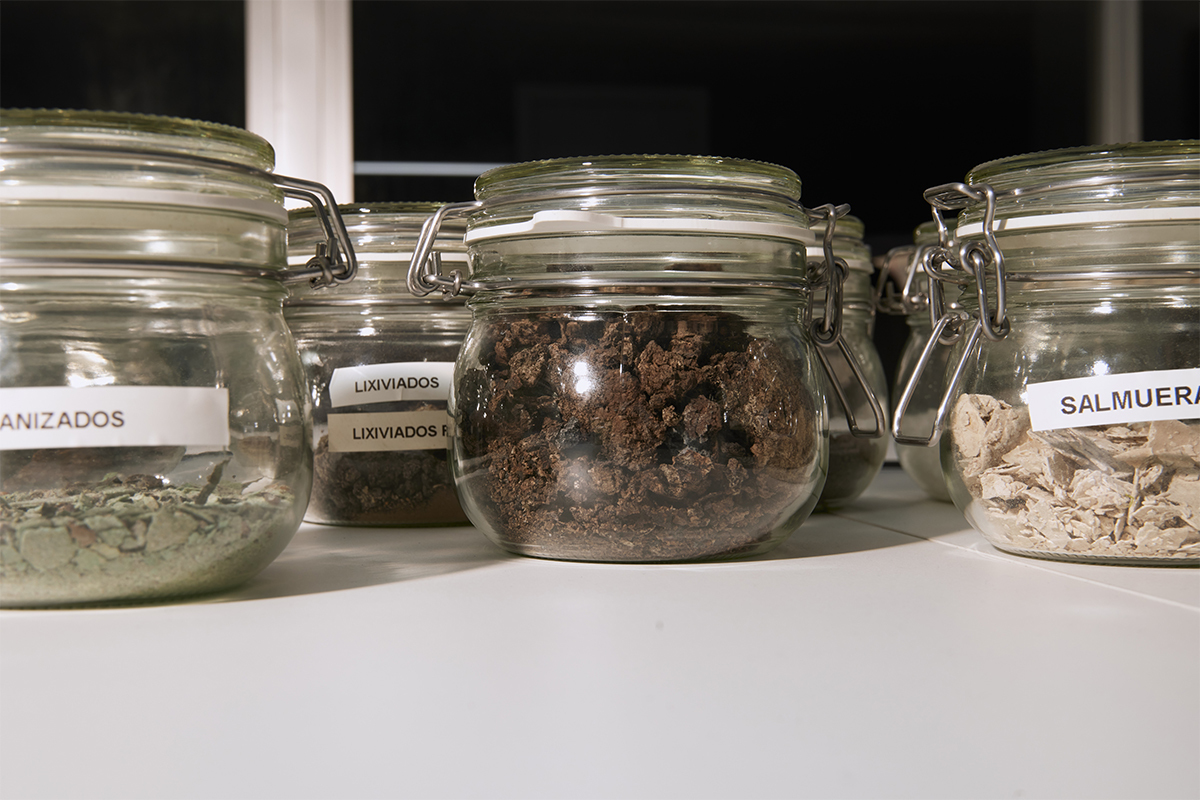
ASEC employs a innovative thermal treatment at 75 degrees Celsius over approximately one hour. This process is applicable to any contaminated fluid, effectively transforming hazardous waste into safe water and reusable solids. Susana García, CEO of Water Challenge, the company that brought ASEC to fruition, describes it as an eco-friendly method that operates without chemicals, consumables, or waste, boasting low energy consumption, and even utilizing residual heat.
Applications of ASEC Technology
The applications for ASEC are nearly limitless. For instance, it can process alpechín, the foul liquid leftover from olive oil extraction, and significantly improve the efficiency of current desalination plants. Presently, these plants only convert half of the seawater they treat into potable water, discarding the other half laden with salt. ASEC technology could potentially double the output of potable water from seawater, turning salt into a reusable solid for applications like snow melting on roads. This represents true circular economy principles in action.
Addressing Water Scarcity
In regions experiencing water scarcity or severe drought, particularly in parts of the Iberian Peninsula, ASEC technology may serve as the optimal solution. As communities plead for rain during religious processions, technological advancements like ASEC could provide a sustainable and scientific answer to increasing water availability.
Proven Success and Future Projects
Water Challenge has not only developed but successfully tested this technology with small functioning plants. They are now poised to tackle their first large-scale project at a biogas facility, though specific details remain confidential for contractual reasons. The modular design of ASEC allows it to be transported easily and assembled according to the required treatment capacity, much like a buildable system of “Lego” components.
Production and Business Growth
With the capability to purify 50 cubic meters of contaminated liquid per day, ASEC operates with minimal energy consumption and an automated system that can be remotely managed. Water Challenge retains control over its technology, which has been patented in over 30 countries, aiming to expand to over 80. They are currently preparing to deliver their first major client project and anticipate a substantial influx of additional orders, entering a potential pipeline of 200 treatment plants within the next five years.
Currently, 80% of Water Challenge’s business is based in Spain, but plans are underway to diversify into international markets. They project a revenue target of 4 million euros for 2025, aiming for 10 million euros in 2026, and envision earnings between 100 and 150 million euros in the following five years.
Future Outlook
As Water Challenge gears up to expand its facilities and workforce, increasing from under 20 to 50 employees, they are focused on scaling up production to meet growing demand. 2026 is anticipated to be a pivotal year, filled with potential as they strive to revolutionize water purification and create a sustainable future.
This journey towards a more ecologically balanced world highlights how innovative technologies can serve not just local communities but global needs, redefining the future of water consumption and waste management.