
The Shift Away from Android Auto and Apple CarPlay
My 10-year-old Volkswagen Polo has a basic infotainment system that only allows limited functionality—playing radio or Spotify—and for GPS navigation, I must rely on my phone perched on a support. This low-tech experience makes me appreciate the more advanced systems in newer cars, like my partner’s Kona, which boasts a screen larger than a tablet, allowing me to browse the web, watch videos, or even play games through Android Auto. While these systems offer convenience, the car industry is witnessing a notable shift: more brands are bidding farewell to Android Auto and Apple CarPlay.
Goodbye to Established Infotainment Systems
Major automotive manufacturers increasingly abandon these ubiquitous systems. Aston Martin and Porsche are barely the last holdouts; brands like Land Rover, Mercedes-Benz, Nissan, Ford, Audi, and others have opted to detach themselves entirely. The reasoning behind this departure is multifaceted, but control and user experience play crucial roles.
The Control Factor
In the realm of automotive technology, control is paramount. Android Auto and Apple CarPlay provide a standardized, user-friendly experience, but in doing so, they limit manufacturers’ control over user data and monetization opportunities. For instance, both Google and Apple collect comprehensive data, including location, speed, and app usage. This data is invaluable for targeting ads and enhancing customer insights.
Enter In-House Solutions
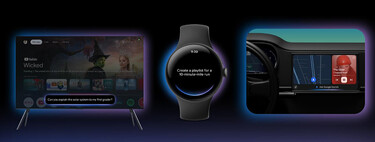
General Motors has begun to implement its own system, dubbed Gemini, intended to supplant both Android Auto and Apple CarPlay in future models. This opens the door for a more customized experience that aligns with their goals. Similarly, German automakers like BMW, Mercedes-Benz, and Volkswagen have embraced an open-source initiative called Safety Open Vehicle Core (S-Core), which allows for tailored solutions while retaining the core functionality necessary for a modern driving experience.
Subscription Models: The New Revenue Stream
The notion of car companies moving toward subscription models is gaining traction. Manufacturers have already started monetizing hardware features, offering functionalities like additional horsepower on a pay-per-use basis. By collecting detailed user data, companies can create personalized experiences that encourage subscriptions—another way to diversify revenue streams beyond vehicle sales.
Materializing the Change
Transitioning away from Android Auto and Apple CarPlay won’t happen overnight. While companies like GM and their German counterparts have plans in motion, the complexity of developing their systems means it will take time. The integration of Google technology—albeit in a modified format—could well remain part of the automotive ecosystem for the foreseeable future.
The Challenge of User Experience
Without the established frameworks of Android Auto or Apple CarPlay, manufacturers face a daunting task: recreating a seamless user experience. One of the significant advantages of these systems is the extensive library of compatible apps. Imagining an alternative platform without access to Google Maps, Waze, or Spotify indeed feels like regression. The success of these alternatives hinges on the willingness of app developers to create or port their applications to the new systems.
A Gamble for Premium Brands
The risks are notably more extensive for premium brands. A high-end car that forces drivers to struggle with an underwhelming infotainment experience can tarnish a brand’s reputation. Paying for features that come standard in vehicles with well-supported platforms seems absurd.
Conclusion
As the automotive landscape evolves, we face a critical juncture regarding infotainment technology. The winds of change signal a departure from established players like Android Auto and Apple CarPlay towards in-house solutions that offer brands more control over user experiences and revenue models. It’s an exciting yet uncertain time, as manufacturers strive to balance innovation and user satisfaction in their forthcoming technologies.