
Pioneering Pilot Line: Revolutionizing the Recycling of Rare Earth Magnets in Europe
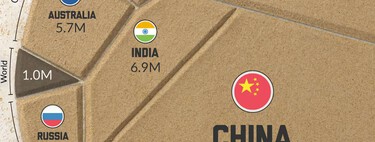
Europe has been navigating a precarious landscape in recent years, learning that energy independence hinges not just on policy and investment in renewable energy, but critically on the availability of essential materials. The European Union (EU) has gradually reduced its reliance on Russian gas, but a more formidable challenge looms: China’s overwhelming control over critical metals, especially rare earth permanent magnets.
The Necessity of Rare Earth Magnets
Rare earth magnets are indispensable in various high-tech applications, including electric vehicles, wind turbines, robotics, and components of the defense industry. As reliance on these technologies increases, so does Europe’s vulnerability due to its dependency on imports—over 95% of these vital magnets are sourced from outside the EU. With the projected demand slated to rise from 250,000 tons to approximately 350,000 tons by 2030, addressing this reliance is paramount.
A Groundbreaking Initiative: The Pilot Line in Grenoble
In response to these critical dependencies, France has launched a pioneering pilot line dedicated to the recycling and remanufacturing of high-performance rare earth magnets. Situated at the CEA-Liten facilities in Grenoble, the pilot line is a collaboration between the Orano group and the Alternative Energies and Atomic Energy Commission (CEA). Equipped to process up to four tons, this facility aims to deliver significant technical outcomes by the end of 2026, paving the way for large-scale industrial applications.
Tackling Dependency: The Critical Raw Materials Act
This initiative aligns closely with the EU’s Critical Raw Materials Act, which aspires to have at least 25% of critical materials recycled within Europe by 2030. The project stands as a proactive measure in combating Europe’s over-dependence on Chinese imports, especially as geopolitical tensions create potential supply chain disruptions.
Innovative Recycling Techniques
Central to the pilot line’s success is the “short circuit” recycling method. Unlike traditional recycling processes, which involve complicated chemical treatments, this innovative approach allows the direct recovery of rare earth metals in metallic form from old magnets. As Benoît Richebé, Orano’s project manager, states, this method strikes a balance between high magnetic performance, circular economy principles, and reduced carbon footprints.
Bridging Techniques: Hybrid Recycling
Richebé advocates for a hybrid recycling model that incorporates both short loop and long loop approaches. This versatile framework ensures that Europe can develop a more flexible and resilient manufacturing ecosystem, combining recycled materials with new alloys for optimal performance.
Scaling Beyond the Pilot
While Europe’s current recycling rate for rare earth magnets hovers around a mere 1%, the pilot project lays the groundwork for expansion. Diverse efforts are underway across the continent, including collaborations funded by the EU, such as the Magellan 1 and Magnolia 2 consortia, which are enhancing technologies related to magnet manufacturing from recycled metals.
Challenging the Status Quo: Industrial Sovereignty
France may not be positioned to rival China’s production capacity immediately. However, mastering the intricacies of rare earth magnet recycling could signify a critical shift toward reclaiming control over valuable industrial knowledge and processes. As emphasized by Richebé, understanding and managing magnet recycling is not merely about material recovery; it’s essential for achieving ecological and technological transitions.
Conclusion: Strategic Recycling for a Sustainable Future
If the Grenoble pilot line successfully meets its targets, Europe could regain substantial value from a supply chain it has lost over the years. In an era where critical metals wield significant geopolitical influence, recycling rare earth magnets transcends environmental benefits; it emerges as a strategic imperative for Europe’s future. By embracing this transformative approach, Europe can assert greater industrial sovereignty and strengthen its position in the global market.