
## A Shocking Turn of Events in Lille
In a highly anticipated clash between LOSC Lille and Rennes, the evening took a sharp turn as Lille faced a disappointing defeat. The match, pivotal in the race for European qualification, unfolded with unexpected intensity. Lille, despite their efforts and positive mindset, succumbed to Rennes, who displayed more striking efficiency. The deciding moment came early in the match—Alexsandro’s red card in the 13th minute transformed the dynamics of the game and ignited a firestorm of controversy among fans and staff.
## The Fallout from the Red Card
The expulsion of Alexsandro not only left Lille with a numerical disadvantage, but it also appeared to disproportionately alter their tactical strategy. Following the red card, Lille quickly found themselves in deeper trouble, conceding two goals in rapid succession. This situation left supporters and players in disarray, with many feeling the decision was unjust. Thomas Meunier, expressing the collective frustration, stated, “It’s hard to ignore… the red card is really not justified.” He emphasized the implications of refereeing errors, noting that this was the fourth red card in five matches, creating an untenable situation for the team.
## Eric Wattelier’s Defense of His Decision
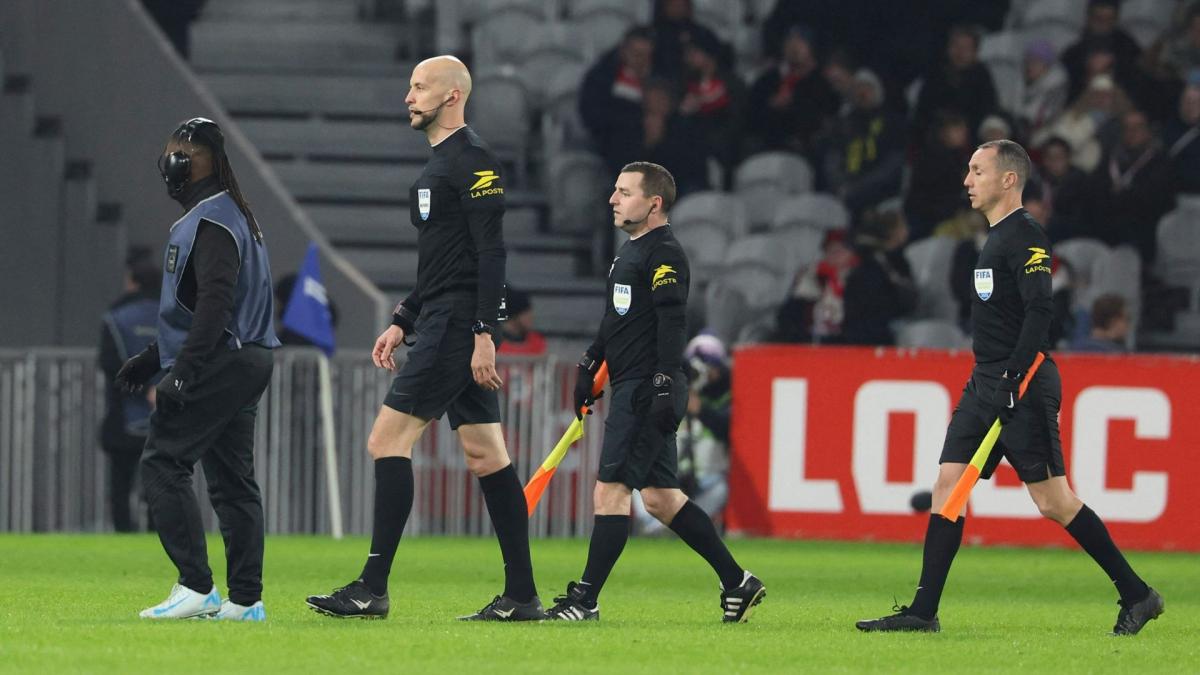
Eric Wattelier, the match referee, took the opportunity post-match to clarify his decision-making process. He articulated his stance unequivocally, saying, “We are in a situation of annihilation of an action of manifest purpose.” He emphasized that all indicators pointed to a mandatory red card, detailing how Breel Embolo was advancing on goal with clear control of the ball, necessitating strict enforcement of the laws. Wattelier further stated that the context of the match—whether early or late—shouldn’t sway the impartiality in officiating. According to him, the laws do not account for mitigating variables like the presence of other defenders when evaluating the necessity of a card.
## The Response from Lille’s Leadership
Wattelier’s justifications, however, did little to pacify the discontent brewing among Lille’s leadership. Frustration boiled over at halftime as the team’s officials confronted the referee concerning his decision. However, Wattelier characterized this confrontation as part of the pressures referees routinely manage. “We cannot accept intimidation when we referee a match,” he asserted, underscoring a commitment to maintain professional integrity amidst pressures from the sidelines.
## Looking Forward: The Bigger Picture
As Lille’s path toward European competition hangs in the balance, the controversy surrounding refereeing decisions underscores a broader discussion regarding consistency and fairness in officiating within Ligue 1. Wattelier’s assertions about his role and the transparency of officiating decisions call for a reflective examination of how such pivotal moments are handled, both on and off the field. As discussions around this match circulate among fans, stakeholders, and analysts, one thing becomes clear: the relationship between clubs and refereeing standards will remain a focal point in the ongoing narrative of French football.
The tension from this encounter illustrates the fine line referees must walk in maintaining authority without jeopardizing the spirit of the game, a balancing act that will undoubtedly shape future matches and the reception of officiating in Ligue 1.