
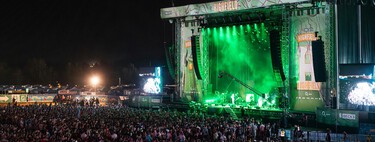
The Shift in Entertainment Consumption
In today’s digital age, we find ourselves surrounded by an overwhelming amount of audiovisual content. Streaming services allow us to watch several movies each week from the comfort of our homes. Yet, despite this abundance, movie theaters are emptier than they have been in decades. This drastic shift in consumer behavior raises the question: why are we more inclined to pay hundreds of euros for a concert at a massive stadium, while turning our backs on the cinematic experience, even if tickets are significantly cheaper?
Box Office Decline: The Data Speaks
Examining box office statistics reveals the troubling trends in the film industry. The summer of 2025 saw the lowest earnings since 1981, with only $445 million raised in October, a stark contrast to over $1 billion in the same month pre-COVID. Furthermore, the average American moviegoer attended the theater merely 2.31 times in 2024, a 33% drop from 2019’s average of 3.5 visits. Spain reflects similar dismal statistics, with a 14% decline in total box office revenue and a significant loss of viewership over the last five years.
The Role of Theatrical Windows
The collapse of traditional movie theater windows is another key factor in the box office’s decline. Pre-pandemic, films would typically remain in theaters for 90 to 120 days before moving to digital platforms. Now, many films transition to streaming just weeks after their theatrical release, diminishing the urgency for audiences to see them on the big screen. This shift has likely contributed to the drastic reduction in movie attendance.
The Global Perspective
Even in countries like China—once considered a promising market for Hollywood—the situation mirrors these unfavorable statistics. In 2024, the Chinese box office experienced a 23% drop, primarily due to a decline in the overall theatrical experience. Once renowned for their lavish setups, many cinemas now lack essential customer service and comfort, further dissuading viewers from attending theatrical releases.
The Long-Standing Crisis
It’s crucial to note that this crisis has deep roots, well predating the pandemic and streaming boom. U.S. attendance has been dwindling since the 1960s. Despite stable ticket prices adjusted for inflation, public interest in the cinema experience has steadily declined. As Bain & Company reports suggest, the film industry has focused excessively on content, failing to create unique viewing experiences that incentivize theater visits.
The Rise of Live Music
Unlike cinema, the music industry has successfully capitalized on the importance of unique experiences. Taylor Swift’s Era Tour, for instance, grossed over $2 billion, surpassing the annual box office of entire countries like Spain. The success of live music events illustrates a key shift: consumers now prioritize spending on memorable experiences, as evidenced by the burgeoning live music market projected to grow exponentially by 2030.
Why Concerts Win Over Theaters
Festivals and concerts offer an undeniable sense of identity and belonging, standing in stark contrast to the uniformity of film viewership. A movie experience is identical worldwide, and once a film is watched, the incentive to revisit it is low, especially with the impending release on streaming platforms. In contrast, the energy and community of a live concert foster an unrepeatable experience that draws audiences in.
The Path Forward for Cinema
The cinema industry is not facing a death sentence but rather a crucial opportunity for reinvention. Just as the music sector evolved, film theaters need to differentiate themselves from home viewing experiences. Enhanced comfort, sophisticated restoration, and overall improved viewing ambiance are essential for attracting audiences back to theaters.
The cinema world must embrace innovation—and it is clear that a transformative figure akin to Taylor Swift is needed. Until then, the question remains: how will cinema leverage its unique strengths to reclaim its place in the hearts of viewers?