
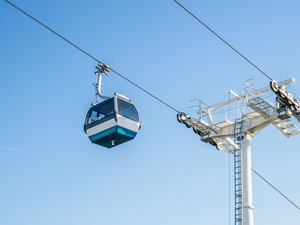
### Cable Car Incident in the Italian Alps
On December 30, around 11:30 a.m., a cable car cabin encountered a serious technical malfunction upon reaching the Monte Moro station in the Italian Alps. The cabin failed to decelerate adequately, striking the safety barriers at the arrival point. Fortunately, the mishap resulted in only three light injuries, with a 59-year-old man requiring airlift to the hospital due to an arm injury. Approximately one hundred passengers found themselves stranded at an altitude of 2,800 meters as emergency services rushed to the scene.
### Immediate Response and Evacuation
Rescue teams acted swiftly to evacuate all passengers trapped in various cabins suspended in the air. Helicopters were deployed to ensure everyone’s safe return from the treacherous heights. Reports indicate that there were around fifteen individuals in the cabin that experienced the incident, but all cabins were affected during the evacuation process.
### The Cause of the Incident
Filippo Besozzi, the director of Macugnaga Trasporti e Servizi, confirmed that the incident stemmed from a technical fault that caused the cable car to not slow down properly as it approached the station. Despite the alarming nature of the accident, Besozzi reassured the public, stating, “No serious injuries, no one’s life is in danger.”
### Safety Measures in Place
Following the accident, it was emphasized that while the cable car itself was not severely damaged, comprehensive checks would be necessary to ascertain the cause of the braking failure and prevent future incidents. Safety regulations in cable car operations are stringent, but this incident underscores the importance of regular maintenance and checks.
### Conclusion: A Reminder for Vigilance
The incident serves as a critical reminder of the necessity for vigilance and safety checks in cable car operations, especially in mountainous regions. While the quick response from emergency services mitigated the situation, it highlights the potential risks associated with such transportation methods at high altitudes.
As travel continues in these breathtaking yet perilous terrains, both operators and passengers must remain alert to the inherent dangers, ensuring safety protocols are prioritized for all outdoor adventurers.