
A New Era of Extreme Climate Phenomena: “What Was Once an Anomaly is Becoming the Norm”
The Impact of Climate Change in 2025
By 2025, climate change has dramatically intensified extreme weather phenomena worldwide. Heatwaves, droughts, storms, and wildfires have worsened, pushing communities that house millions of people to the brink of what can be adapted to. This alarming trend is highlighted in a recent report by World Weather Attribution (WWA), an international collaboration of scientists analyzing climate change’s influence on significant weather-related disasters.
The analysis, published recently, underscores the consequences of global warming. Most analyzed extreme weather events showed clear signs of climate change, which has increased the frequency and intensity of natural disasters. Importantly, it reveals that vulnerable and marginalized populations are systematically the hardest hit during these extreme weather events.
Rising Frequency of Natural Disasters
The scientists contributing to the report identified 157 high-impact weather phenomena in 2025. This category includes natural disasters resulting in over 100 fatalities or affecting more than one million people (or 50% of the population) or necessitating a national or state-level emergency declaration.
Among these extreme events, heatwaves and floods were the most common, each occurring 49 times, followed by storms (38), wildfires (11), droughts (7), and cold spells (3). The report also emphasizes that every fraction of a degree of additional warming counts; for instance, this decade has seen a global temperature increase of 0.3°C, leading to nearly a tenfold increase in the frequency of extreme heat events.
Evidence of Changing Climate Patterns
According to Sjoukje Philip, a researcher at the Royal Netherlands Meteorological Institute, “The continuous rise in greenhouse gas emissions has pushed our climate into a new, more extreme state, where even minor increases in global temperature result in disproportionately severe impacts.” She stresses that we’re witnessing a new era of climate extremes in which what was once an anomaly is rapidly becoming the norm.
Interestingly, despite 2025 being characterized by La Niña conditions—associated with cooler waters in the equatorial Pacific that generally result in milder global temperatures—it turned out to be one of the three hottest years on record. This year also marked the first time that global temperature increases surpassed the critical threshold of 1.5°C. Factors like El Niño may cause temporary temperature fluctuations but cannot explain the sustained warmth observed this year.
Heatwaves and Their Deadly Toll
The report indicates that heatwaves were the deadliest extreme weather phenomenon in 2025. Although accurately establishing excess mortality due to high temperatures is challenging, a study from Imperial College London estimates that 24,400 people died as a result of a summer heatwave across 854 European cities.
Global warming aggravated heat events in countries such as South Sudan, Burkina Faso, Norway, Sweden, Mexico, Argentina, and England.
Wildfires in Europe
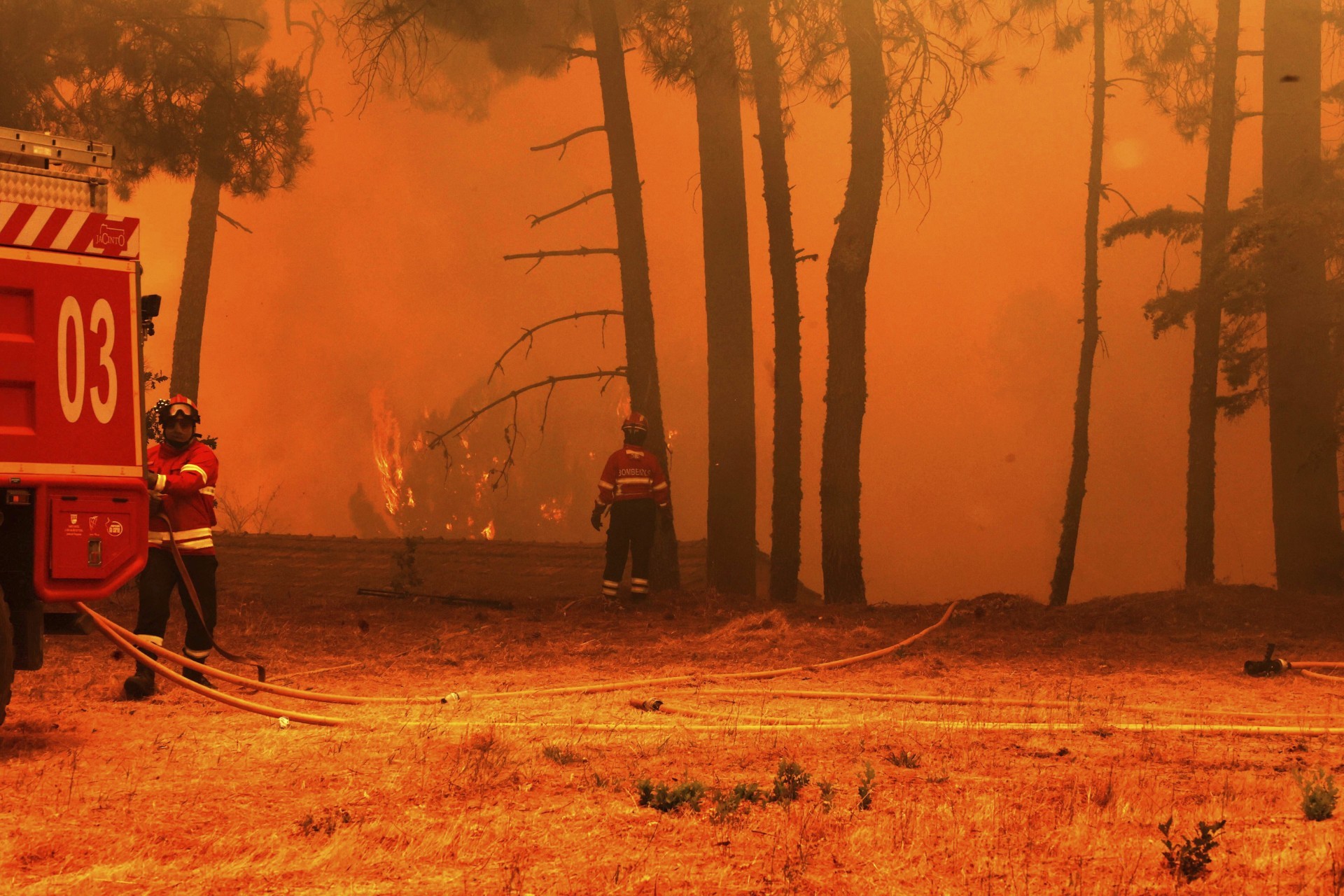
Many regions experienced some of their driest years on record. Extreme droughts led to water shortages and poor harvests, creating conditions ripe for catastrophic wildfires. The report notes that although individual fires may be triggered by various causes—human or natural—climate change significantly increases the likelihood of large wildfires, such as those experienced in Los Angeles and northwestern Spain.
Conditions favorable for wildfires in Spain and Portugal have become the norm due to climate change. A previous report indicated that extreme conditions leading to recent forest fires could now occur approximately once every 15 years.
The Urgency for Global Climate Action
Tropical cyclones and storms were also among the deadliest phenomena of the year. In 2025, devastating storms struck various areas in Asia, resulting in over 1,700 deaths and billions in economic damages. For instance, Hurricane Melissa wreaked havoc in Jamaica. Historical analysis by WWA indicates that climate change not only makes rainfalls associated with these storms more likely but also increases their intensity. Research on Hurricane Helene in 2024 showed that a 10% increase in intensity correlates with 44% more damage, highlighting the importance of striving to mitigate every fraction of warming.
The authors of the report emphasize that to curb impacts and minimize future risks, there must be a rapid transition away from fossil fuels and a significant increase in adaptation efforts in vulnerable regions. However, they lament that we are experiencing a roll-back in the fight against climate change, with funding for vital climate information initiatives being withdrawn.
As Friederike Otto, a professor of Climate Sciences at Imperial College London’s Centre for Environmental Policy, notes, “Every year, the risks of climate change are less hypothetical and more a brutal reality.” Despite efforts to reduce carbon emissions, they have been insufficient to prevent global temperature increases and severe impacts. Policymakers must confront the reality that their continued reliance on fossil fuels is costing lives, billions in economic losses, and causing irreparable damage to communities worldwide.