
## The Impact of the 2025 African Cup of Nations on Morocco
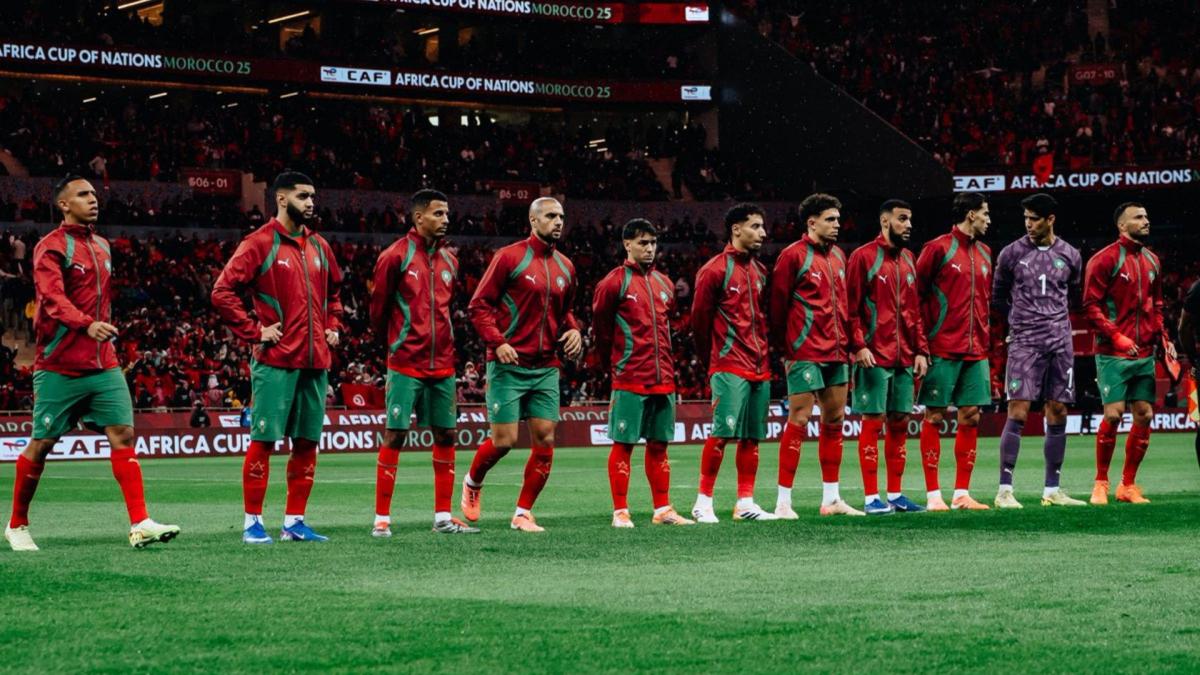
The 2025 African Cup of Nations (CAN) has become a significant celebration for African football, showcasing Morocco’s aspirations not just in sporting realms but also in geopolitical contexts. With high hopes for the Atlas Lions led by stars like Achraf Hakimi, the national pride is palpable, particularly following their recent 1-1 draw against Mali. However, the stakes are much higher for the Moroccan authorities, as they eye the 2030 World Cup co-hosted by Morocco, Spain, and Portugal.
## A Strategic Dress Rehearsal
This year’s CAN serves a dual purpose: it’s a platform for Morocco to demonstrate its capabilities in hosting international sports events and a critical test run for the upcoming World Cup. FIFA’s confidence in Morocco’s infrastructure will play a pivotal role, as Spain and Portugal already have plans in place, with Spain slated to host 11 stadiums, Portugal 3, and Morocco 6—though these allocations may shift as the tournament approaches.
### Preparing for World Stage
Morocco’s compelling goal to organize the World Cup final hinges on its ability to present state-of-the-art stadiums. The Hassan II Stadium in Casablanca, capable of accommodating 115,000 fans, is in the spotlight. Renowned as one of the world’s largest stadiums, it stands as a testament to Morocco’s ambition and infrastructure capabilities.
## Competitive Spirit: Morocco vs. Spain
In Spain, there is an expectation that the Grand Final could unfold within the country, with the Santiago Bernabéu Stadium considered a prime contender. However, with the progress seen in Moroccan stadiums, such as the newly inaugurated venue in Tangier, Spain is compelled to acknowledge Morocco as a formidable competitor.
#### Quotes from Experts
Pepe Mel, the current coach of Ittihad Tangier, stated, “The stadiums they build in Morocco have nothing to envy of those in Spain.” He highlighted the rigorous efforts to align Moroccan infrastructure with that of Spain, emphasizing the significance of the 2030 World Cup for Morocco.
Moreover, the publication Marca underscored the design of the Hassan II Stadium as an “unprecedented technological advance on this continent.” Such accolades underline Morocco’s commitment and the monumental strides it is making in sports infrastructure.
## Spain’s Response
Despite Morocco’s advancements, Spain still possesses well-established stadiums and the experience of managing large events. The competitive nature between the two nations in preparation for the World Cup is palpable and serves as a reminder that both countries are capable of hosting grand international spectacles.
### Conclusion: An Invitation to Compete
The evolving narrative of Moroccan stadiums and their potential role in the 2030 World Cup presents an exciting challenge for Spain. With Moroccan authorities determined to showcase their capabilities, the sports world is closely watching this rivalry. The CAN serves not only as a significant sporting event but also as an opportunity for Morocco to solidify its standing on the world stage, igniting fierce competition with its neighbor, Spain.