
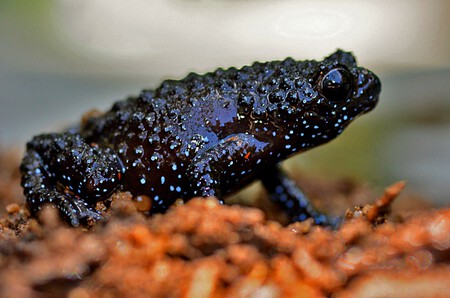
The Galaxy Frog: A Stunning Creature at Risk
The galaxy frog, named for its mesmerizing appearance resembling stars against a dark backdrop, is an extraordinary amphibian native to the evergreen forests of the Western Ghats in India. However, spotting one requires a journey far from major urban areas like Madrid, London, or New York, as these enigmatic creatures thrive at altitudes of 900 to 1,200 meters.
Impact of Unregulated Tourism
As tourism grows, so do the risks for vulnerable species like the galaxy frog. Enthusiastic travelers embark on unregulated photographic expeditions, seeking to capture the frog’s celestial likeness for social media or personal collections. Unfortunately, these excursions have dire consequences; entire groups of galaxy frogs have vanished from their natural habitats due to disturbances caused by untrained photographers trampling their environment in search of the perfect shot.
Disappearing Species: A Warning Sign
The galaxy frog is currently classified as “threatened.” Research has shown that photographer presence can disturb feeding and reproductive behaviors, crucial for species survival. Rajkumar K. P, a scientist from the Zoological Society of London, leads a research team actively monitoring the population of the Melanobatrachus indicus. Their studies indicate a worrying trend: after returning to a previously monitored site post-COVID-19, they found that a group of seven galaxy frogs had completely disappeared.
The Role of Human Interaction
The process of searching for these elusive frogs is not just about observation. Photographers often alter their microhabitat by moving logs and rocks in pursuit of an ideal composition. This kind of interference stresses the frogs, who are susceptible to changes in their environment and manipulation by human hands. Reports have even suggested that two frogs lost their lives during such sessions, underscoring the importance of responsible wildlife photography.
Advocating for Ethical Practices
The research emphasizes the need for ethical standards in nature photography. While capturing the beauty of wildlife can serve as a powerful conservation tool, care must be exercised to avoid causing harm. Rajkumar noted that responsible practices can lead to positive outcomes, aiding research and awareness around these unique species.
“It’s a huge resource to help conservationists better understand things like animal distribution and behavior, and the resulting images can educate others about these incredible species. However, irresponsible photography can turn that resource into a danger.”
Conclusion: A Call to Action
The plight of the galaxy frog serves as a critical reminder of the delicate balance between tourism and conservation. As more people become interested in wildlife photography, it’s essential to implement guidelines that protect vulnerable species. Without responsible management and widespread awareness, the galaxy frog and similar creatures may face extinction, reinforcing the idea that tourism, while beneficial in many aspects, can also threaten existence if not conducted sustainably.