
## Uganda and Tanzania Prepare for CAN 2027
The upcoming CAN 2025 in Morocco is not just a football tournament; it’s a crucial rehearsal for Uganda and Tanzania, who will face each other in the same group. This match-up provides both nations an excellent opportunity to assess their team strategies, evaluate infrastructure, and gauge player competitiveness against continental standards. The performance of these teams will play a pivotal role in showcasing their capabilities to the Confederation of African Football (CAF) and potential sponsors, influencing future resource allocations for the 2027 tournament.
### Strategic Preparation and Budgets
On January 24, 2025, James Kubeketerya, the Chairman of the Parliamentary Committee on Education and Sports in Uganda, detailed ambitious budget recommendations for CAN 2027. Uganda plans to allocate UGX 379 billion for tournament preparations, alongside UGX 5.3 billion specifically for the national team’s training for international competitions. The need for renovating national stadiums was highlighted, with UGX 26 billion earmarked for this purpose, alongside additional funding for the National Anti-Doping Agency and the modernization of sports facilities.
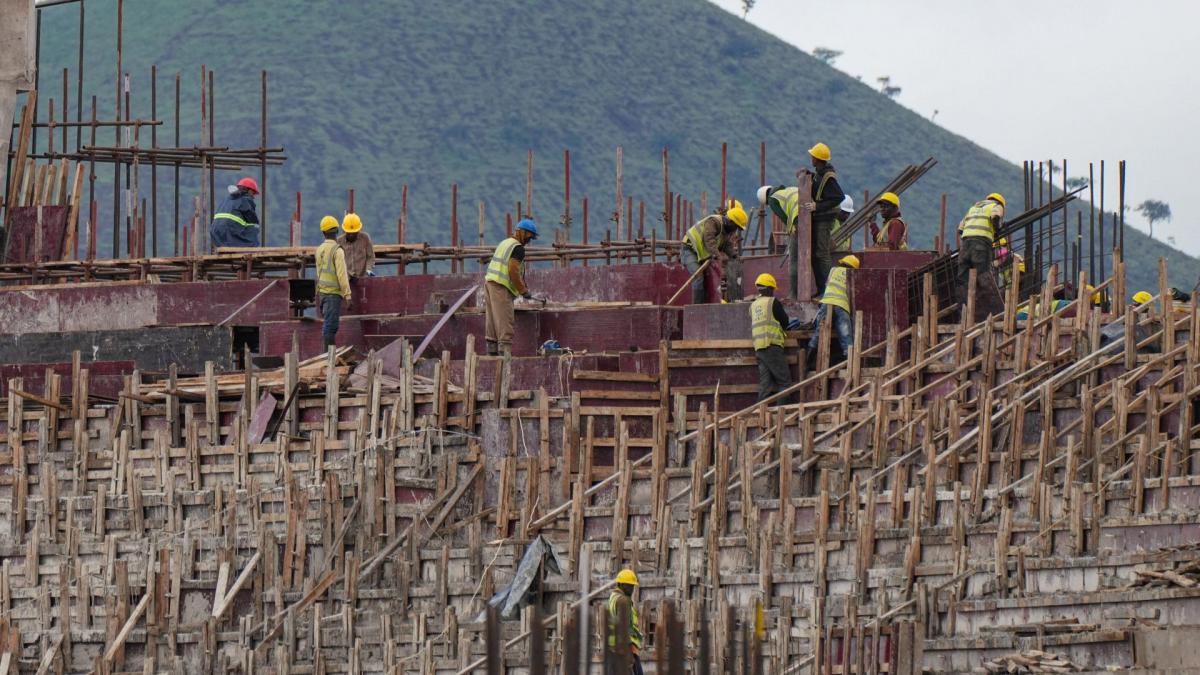
In contrast, Tanzania has made significant financial commitments, presenting a budget of nearly 520 billion Tanzanian shillings (about 195 million euros) aimed at enhancing sports infrastructure. This includes a dedicated allocation of 180 billion for stadium construction and renovation. Noteworthy projects like the Arusha Sports Stadium, designed to hold 30,000 spectators, are already under construction. This robust financial backing positions Tanzania as a strong contender for hosting a successful tournament.
### Fostering a Sports Hub in East Africa
Both nations share the vision of positioning themselves as regional sports hubs, capable of attracting tourism and increasing local economic revenues. In Uganda, modernizing existing infrastructure is a key aspect of this strategy. The Mandela National Stadium is undergoing renovations to meet international standards, while the upcoming Hoima City Stadium will feature 20,000 seats and is set to open before the end of 2025.
This proactive approach aims to leave a lasting sporting legacy for future generations, focusing not just on immediate tournaments but also on long-term development and community benefits.
### Regional Collaboration: Pamoja Initiative
The 2027 tournament will mark an unprecedented collaboration between Uganda, Tanzania, and Kenya, termed “Pamoja,” which means “together” in Swahili. This model emphasizes pooling resources and expertise, improving logistical and operational efficacy for an event of this magnitude. However, this collaboration poses distinct challenges, including coordinating construction schedules and ensuring all facilities meet CAF standards.
The recent co-organization of the African Nations Championship (CHAN) by these three nations served as a valuable trial, shedding light on key areas that require refinement for seamless inter-country communication and logistics.
### Socio-Economic Impact of CAN 2027
Beyond the realm of sports, CAN 2027 is poised to catalyze socio-economic transformations across East Africa. The projects involved are expected to generate thousands of jobs, boost tourism, and stimulate local economies in the host cities like Arusha, Hoima, and Kampala. This development aligns with a broader strategy to modernize urban infrastructure, enhancing the region’s attractiveness for tourism.
### Conclusion
As Morocco gears up for CAN 2025, Uganda and Tanzania are already laying the groundwork for the tournament in 2027. Through significant investments and regional partnerships, these nations are demonstrating their readiness to host a spectacular event, enhancing East Africa’s status on the global football map and ensuring a lasting legacy for years to come. The commitment towards modernization and collaboration suggests that the future of football in this region is poised for remarkable growth.