
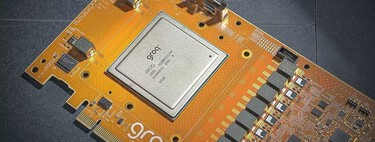
NVIDIA has reached an agreement to “license” assets from Groq and will pay 20 billion dollars for said assets. The company—not to be confused with Elon Musk’s chatbot, Grok—has been designing and manufacturing AI chips for model inference for years. The quotes around “licensing” are important, because this is not a deal: it is a stealth acquisition.
What Has Happened
On Wednesday, the news appeared that NVIDIA had agreed to sign a licensing agreement with AI startup Groq. This was confirmed by Groq’s management in a blog post discussing a “non-exclusive license agreement for inference technology to accelerate AI inference on a global scale.” However, the framing of this deal reveals a more substantial truth beneath the surface.
How to Buy a Company Without Buying It
As part of the agreement, Groq’s CEO and co-founder, Jonathan Ross, will join NVIDIA alongside other key executives like Sunny Madra, its current president. While Groq claims it will continue to operate as an “independent company” led by Simon Edwards, the dynamics suggest otherwise.
NVIDIA Keeps (Almost) Everything
In September, Groq raised 750 million dollars, placing its valuation at approximately $6.9 billion. NVIDIA will retain nearly all of Groq’s assets, with the exception of its cloud business. This move indicates NVIDIA’s intention to fully leverage Groq’s technology.
NVIDIA’s Biggest “Pseudo-Acquisition”
This transaction marks NVIDIA’s largest acquisition to date, dwarfing the previous record set by its $6.9 billion purchase of Israeli chip designer Mellanox in 2019. Internal communications revealed that NVIDIA CEO Jensen Huang emphasized that they were not acquiring Groq as a company, possibly to navigate regulatory scrutiny surrounding such a large deal.
Previous “Pseudo-Acquisitions”
In a similar vein, NVIDIA executed another pseudo-acquisition last September, investing 900 million dollars in the server startup Enfabrica. Just like with Groq, the CEO and other leadership eventually became part of NVIDIA, blurring the lines between a partnership and full acquisition.
What is Groq?
Groq stands apart from competitors like the xAI chatbot. Founded in 2016 by former Google engineers, Groq designs specialized AI chips for model inference. Jonathan Ross, one of the original designers of Tensor Processing Units (TPUs) at Google, is pivotal to Groq’s innovation in this space.
What Groq Does
Groq’s focus lies in designing AI chips that excel in executing AI model inference swiftly and efficiently. While NVIDIA and other companies have focused heavily on chips for model training, Groq has carved a niche in enhancing inference performance.
Chatbots at Full Speed
Groq’s technology allows for extraordinary speed in AI inference. This means when engaging with chatbots powered by Groq chips, responses are generated at remarkable speeds, surpassing competitors in both efficiency and cost-effectiveness.
How to be a Monopoly Without Saying It
NVIDIA’s investment in Groq signifies a strategic move to broaden its business horizon and solidify its competitive edge. By focusing on inference chips, a sector largely overlooked by major AI companies, NVIDIA is poised to enhance its market dominance. Analysts suggest that this may be a defensive strategy in light of increasing competition from Google’s TPUs, emphasizing NVIDIA’s intent to bolster its foothold in this critical area.