
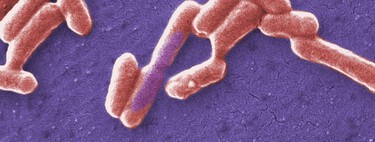
The Threat of Candida auris in Hospitals
Within the hospital environment, few threats loom as large as the fungus Candida auris. First identified in 2009, this “superfungus” has posed a significant challenge to modern healthcare systems worldwide. Not only is it resistant to many common antifungal treatments, but it also spreads quickly and can become a silent epidemic that claims countless lives.
Identifying the Weak Point
To combat this formidable adversary effectively, researchers have set out to discover its vulnerabilities. A recent study published in Communications Biology has unveiled a critical genetic process that Candida auris uses to thrive inside the human body. By understanding its genetic makeup, scientists are developing strategies to neutralize its threat.
The Iron Conundrum
Similar to many organisms, Candida auris requires iron to grow and replicate. However, the human body keeps iron sequestered as a defense mechanism to prevent pathogenic invasions. Surprisingly, Candida auris has adapted to this defense, employing specific genes known as XTC that serve as “suction pumps.” These allow the fungus to extract iron from the human body, even in hostile conditions. Thus, scientists have identified a crucial method to restrict its access to iron, effectively starving the pathogen.
An Innovative Research Approach
Studying Candida auris presents unique challenges, particularly due to its ability to thrive at elevated temperatures such as 37ºC. Traditional models like zebrafish, which thrive in cooler waters, have proven less effective. To circumvent this limitation, researchers have turned to an innovative model: the killifish. This adaptable fish can survive in extreme temperatures, serving as a “living laboratory” to observe how Candida auris behaves in a vertebrate host.
The Significance of This Research
The World Health Organization (WHO) classifies Candida auris as a “critical priority” pathogen, underscoring the urgent need for effective treatment strategies. The recent findings pave the way for new drugs targeting the fungus’s iron-absorption mechanism. Additionally, iron chelators, which have been part of the pharmaceutical toolbox, could potentially be repurposed to “starve” these fungi.
Looking Ahead: Strategic Advancements
While global attention often focuses on bacteria known as “superbugs,” it’s crucial to also direct research toward fungi developing resistance to treatments. By identifying unexploitable pathways within these organisms, we gain a tactical advantage that could drastically shift the landscape of antifungal therapy.
Conclusion
The identification of Candida auris’s vulnerabilities opens new avenues for effective treatments. With research advancing rapidly, the potential to overcome this hospital nightmare is not just a distant hope but an achievable goal.
Images | masakazu sasaki