
The Hidden Cost of AI: Energy Consumption and its Detrimental Effects
The race to develop and operate increasingly powerful artificial intelligence models comes at a hidden cost that often goes unnoticed—the colossal amount of electricity required to keep data centers operational 24/7. In the United States, this growing demand has prompted significant decisions: aging, polluting power plants previously deemed obsolete are being rebooted to meet escalating energy needs. This paradox reveals a troubling reality where the forefront of technological advancement relies on energy solutions from a bygone era.
Time Lag in Energy Generation
The core issue isn’t an absolute electricity shortage, but rather a timing mismatch. The demand for energy from AI-linked data centers is rapidly outpacing the ability to launch new electrical generation sources, particularly renewables. Constructing large-scale energy infrastructures requires years, while data centers can emerge within much shorter timeframes. Faced with this urgency, utility operators are activating existing facilities, even if they are more polluting, to quickly meet the pressing energy demands.
The PJM Region: A Case Study
This energy demand-supply clash is particularly evident in the PJM region, which includes 13 states and houses a significant portion of the country’s data centers. As the largest electricity market in the U.S., PJM is effectively a real-time regional electricity exchange that coordinates generation, pricing, and network stability. Here, the surge in AI-related data centers is challenging a system originally designed for a different kind of energy consumption, making it a critical indicator of a broader issue manifesting across the nation.
Understanding Central Peaker Plants
Central peaker plants are designed to come online during short bursts of peak demand, such as summer heat waves or winter highs when immediate support is necessary. Although these facilities only generate about 3% of the nation’s electricity, they represent nearly 19% of the installed capacity and are being utilized much more frequently than initially anticipated, according to the US Government Accountability Office.
The Fisk Plant Scenario
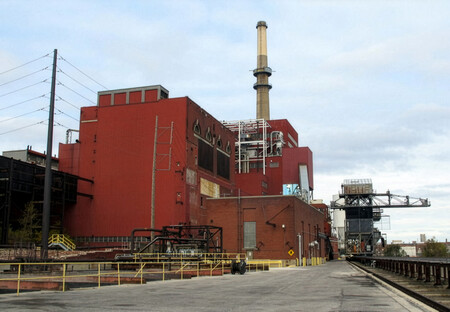
A telling illustration of this shift occurs at the aging Fisk plant in Chicago’s Pilsen neighborhood. Originally slated for retirement, the oil-fueled facility has been reactivated in response to new electrical demands driven by AI data centers. Matt Pistner of NRG Energy highlighted that economic incentives led them to withdraw the closure notice, reviving operations in a area previously viewed as moving away from such energy sources.
Rising Prices and Market Signals
Market dynamics also play a key role in this transformation. In PJM, the prices compensated to generators for supply during peak demand surged dramatically—more than 800% in just one summer compared to the previous year. Reports indicate that approximately 60% of gas and coal plants earmarked for closure postponed these plans in 2023, with most being peaker units that align well with the current scenario of energy scarcity.
The Local Impact of Peaker Plants
The consequences of this energy shift primarily affect local communities. Peaker plants are often older facilities with insufficient pollution controls, leading to increased emissions in their immediate surroundings as they operate more frequently. These environmental and health impacts are becoming a growing concern for residents living near these facilities.
Coal Plant Delays Reflect Broader Issues
This trend of postponing closures isn’t limited to peaker plants; several utilities are also delaying the retirement of coal plants previously committed for shutdown. As noted in a recent DeSmog analysis, at least 15 coal plant retirements have been pushed back for January 2025, collectively representing about 1.5% of U.S. energy emissions.
Companies like Dominion Energy, which had promised to achieve 100% renewable energy by 2045, are now backpedaling in light of projected increases in data center demand. This shift underscores the urgent need for a reconsideration of energy strategies to support not just the tech industry but also sustainable development goals.