
Waymo’s Confusion: A Power Outage’s Impact on Autonomous Driving
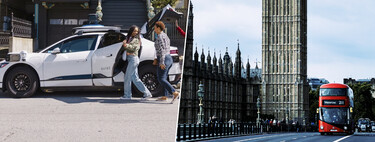
Last weekend, Waymo’s autonomous vehicles in San Francisco faced chaos reminiscent of the viral Confused Travolta meme. The comprehensive failure of the service left multiple cars stranded, their emergency lights flashing, as they were caught in the crosshairs of a citywide power outage. This incident not only highlighted the fragility of the autonomous driving infrastructure but also raised questions about the operational limits of AI technology in real-world scenarios.
The Incident: Traffic Lights Down, Cars Stopped
During the blackout, approximately 130,000 residents lost power, causing significant disruption. Video footage captured Waymo vehicles blocking intersections and contributing to a surge in traffic issues. Tow truck operators were called in for hours to remove these immobilized cars, which had failed to adapt to the sudden absence of functioning traffic signals.
Service Suspension
In an effort to mitigate the chaos, the city contacted Waymo to suspend its service temporarily. This prompt action was necessary as countless videos circulated online, showing intersections overwhelmed by stalled robocars, further complicating the already dire traffic situation.
Understanding the Limitations of Autonomous Vehicles
Experts highlight that autonomous cars are supposed to handle unusual conditions, like traffic signal outages. Traditionally, if a traffic light goes out, the system is designed to interpret that as a four-way stop. However, the Waymo cars appeared unable to navigate this scenario. They were likely trained to recognize individual traffic signal failures but lacked the adaptive capacity for widespread outages affecting multiple lights.
Bandwidth Bottlenecks and Emergency Responses
When faced with ambiguous situations, Waymo vehicles are designed to send real-time video and images to human operators for guidance. Yet, during a power outage, the available bandwidth for data transmission can drastically decrease, further complicating the vehicle’s ability to seek help.
Competitive Challenges: A Look at Tesla’s Approach
The chaos ignited a competitive jab from Elon Musk, capitalizing on Waymo’s misfortune. Tesla’s autonomous driving systems utilize neural network data from millions of real-world instances, allowing it to learn from human-driven scenarios. This may contribute to its ability to handle unforeseen events more effectively than Waymo.
The Importance of Real-World Experience
By trimming down explicit instructions coded into its systems, Tesla has embraced learning through experience, potentially making its AI more versatile in unpredictable environments. This is contrasted starkly with Waymo’s apparent educational limitations during critical situations.
Reactions and Public Sentiment
Despite being perceived as an innovative transportation solution, Waymo’s services have drawn criticism from San Francisco residents. Neighbors have protested their presence, culminating in incidents that underscore the tension between autonomous technology and public safety. A recent case involving a Waymo car colliding with a familiar neighborhood cat exemplifies the growing dissatisfaction, amplifying concerns about how much the community is willing to endure regarding autonomous vehicles.
Conclusion: The Road Ahead for Autonomous Driving
This blackout incident not only illuminated the fragility of current autonomous driving technologies but also highlighted the pressing need for improvements in their adaptability to unexpected situations. As cities increasingly integrate autonomous vehicles into their infrastructure, ensuring their resilience to unforeseen challenges will be paramount in shaping public acceptance and trust.