
## New Documents Released in the Epstein Case
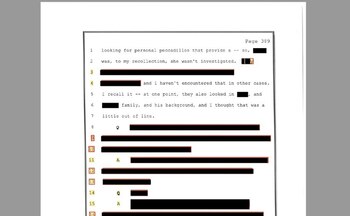
The U.S. Department of Justice (DOJ) has recently disclosed a significant set of documents related to the Jeffrey Epstein case, igniting renewed public interest and scrutiny. This release comprises 255 pages heavily censored to protect ongoing investigations, including a wholly blacked-out document from the New York Grand Jury. In total, the new documents encompass over 550 pages, which include unpublished photographs of Epstein’s properties, images of individuals connected to his network, and testimonies from survivors.
### Compliance with the Epstein Archives Transparency Act
The DOJ’s decision to release these documents comes in response to the Epstein Archives Transparency Act, established by Congress. This legislation mandates that all documentation from the court cases against Epstein and his accomplice Ghislaine Maxwell be made accessible to the public. Importantly, the DOJ emphasized that even while releasing this vast trove of documents, the criteria for redaction is focused on protecting victims and witnesses, particularly concerning minors.
#### Censorship Protocols
The DOJ clarified that the redacted materials are crucial due to the existence of ongoing investigations. For example, a police report detailing Epstein’s alleged crimes in Florida comprises 96 pages wherein only the names of complainants were censored, allowing the public to gain insight into the actions of law enforcement. This selective treatment aims to ensure transparency while still preserving the privacy of those involved.
### Regulatory Measures
The selective release of these documents adheres to the regulations of the Transparency Act, which disallows concealing information for reasons associated with embarrassment or political sensitivity. Notably, names of politicians were not redacted from the documents, aiming to dispel any suspicions about favoritism or cover-ups related to influential figures.
### New Findings and Implications
Among the newly disclosed documents, survivors’ testimonies and additional photographs of individuals connected to Epstein shed light on the internal workings of the criminal network he orchestrated. These materials delineate the recruitment of victims and the daily operations of his illicit activities, offering a clearer understanding of the extent of Epstein’s operations and the implications for his powerful associates.
#### The Broader Context
Jeffrey Epstein was arrested in July 2019 on charges of child trafficking and abuse primarily occurring in the early to mid-2000s. His sudden death in prison on August 10 of that year, before trial, has left many questions unanswered. The extensive relationships Epstein maintained with high-profile individuals, including Prince Andrew and former presidents Bill Clinton and Donald Trump, continue to fuel public debates regarding potential implications of their ties to his activities.
### Future Releases and Transparency
The Epstein Files Transparency Act aims to set a precedent for managing judicial cases involving serious crimes and prominent figures. The DOJ is expected to progressively release additional information as legal barriers diminish. Each new batch will provide vital insights into the operations of Epstein’s network and the American judicial system’s approach to cases of public notoriety.
### Conclusion
The ongoing release of documents related to the Epstein case emphasizes the delicate balance between transparency and the protection of individuals involved in the investigation. As new information continues to unfold, public scrutiny will remain steadfast on the workings of the judicial system and how it navigates high-profile cases of such a significant nature.