
Proposal Against Flag Use by Russia and Belarus
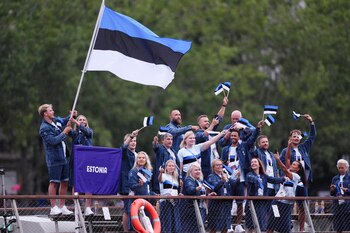
The presidents of the Olympic committees from Estonia, Latvia, and Lithuania have sent a strong message to the International Olympic Committee (IOC), urging it to maintain current restrictions against athletes from Russia and Belarus. Their letter asserts that any easing of policies that restrict the display of national symbols could turn sports into a propaganda vehicle for these nations, particularly amidst the ongoing military aggression in Ukraine.
Concerns Following the Olympic Summit
The Baltic Olympic leaders’ concerns were heightened by the recent Olympic Summit in Lausanne, Switzerland, led by IOC President Kirsty Coventry. Discussing the potential readmission of Russian and Belarusian athletes under their national flags raised alarm bells. Currently, these athletes can only compete as neutrals, devoid of any identifying symbols. Maintaining this neutrality is essential, especially looking towards the Winter Olympic Games from February 6 to 22, 2026.
Preserving Olympic Integrity
The letter from the Baltic leaders highlighted the vital importance of defending peace, upholding international law, and promoting human dignity within the Olympic movement. They firmly opposed any measures that would allow representation of Russia and Belarus under their national flags, particularly given the ongoing conflict in Ukraine.
Historical Use of Sports for Propaganda
Both Russia and Belarus have a history of utilizing sports for political purposes—sending propaganda messages that align with state policies. The Baltic committees argue that permitting national symbols in international competitions would amplify this trend, compromising the very principles that underpin Olympism.
A Call for Uniform Policies
The call for a consistent stance within the IOC is critical. The Baltic representatives argue that any relaxation of restrictions could damage international legitimacy and the credibility of Olympic sports. They assert that an unwavering commitment to sanctions is necessary for the IOC to remain a promoter of human dignity and global respect.
Lengthening the Restrictions
Estonian, Latvian, and Lithuanian officials insist that restrictions on the use of national symbols by Russian and Belarusian athletes should be extended as long as military conflicts persist. They suggest that allowing such symbols might normalize the ongoing situation in Ukraine, jeopardizing the integrity of Olympic sports as a tool for promoting peace.
Conclusion
As discussions continue regarding the future of Russian and Belarusian athletes in international competitions, the Baltic Olympic committees emphasize the need for clear policies. Upholding the values of the Olympic movement and maintaining its status as a beacon of hope requires a steadfast stance against the use of national symbols from nations currently engaged in military conflict.