
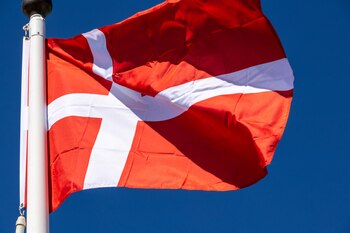
Denmark Accuses Russia of Cyberattacks: A Deep Dive into Recent Cyber Threats
In an alarming revelation, the Danish Defense Intelligence Service (DDIS) has officially linked hacking groups—specifically Z-Pentest and NoName057(16)—to cyberattacks directed at Denmark’s vital water supply infrastructure and its upcoming local elections. This claim highlights a broader Russian strategy aiming to destabilize Western nations, particularly those supportive of Ukraine.
Identifying the Threats
The DDIS has attributed these cyberattacks to a coordinated effort aligned with the Russian state, characterizing them as destructive and disruptive. The attacks have been part of a larger hybrid warfare strategy targeting essential services and democratic processes within Denmark. In 2024, a specific attack aimed at a water supply company revealed the critical vulnerabilities of Denmark’s infrastructure. With local elections approaching in November 2025, the intelligence agency identified further actions aimed at disrupting local governmental websites.
Aimed at Instilling Insecurity
The DDIS stressed that the cyber incidents are not isolated events but rather part of Russia’s long-term plan to generate insecurity in targeted countries. These deliberate acts of digital aggression serve multiple purposes: they disrupt essential services, undermine public trust in democratic institutions, and act as platforms for broader informational attacks. Such tactics have been increasingly noted in electoral upheavals in various European countries.
Electoral Implications
As Denmark gears up for significant elections, the DDIS confirmed that various digital denial-of-service attacks specifically targeted official government web portals. While these events were acknowledged during the campaign, the prior attack on water infrastructure remained largely undisclosed until now. Intelligence analysts believe that by timing such attacks around sensitive periods, perpetrators aim to amplify their impact and disrupt public confidence in the electoral process.
European Union’s Solidarity
In response to Denmark’s findings, the European Union has voiced its support, emphasizing the collective need to hold Russia accountable for its aggressive actions. Anitta Hipper, speaking on behalf of EU Foreign Affairs Representative Kaja Kallas, reiterated the importance of protecting critical institutions and political systems from external disruptions. This solidarity reflects a unified stance against Russian interference in democratic processes within Europe.
A Growing Cybersecurity Concern
As cyber threats evolve, European authorities are prioritizing responses to such sophisticated attacks. The findings from the DDIS underline that the identified hacking groups likely operate under the protection or coordination of Russian state entities, raising serious concerns regarding the systemic nature of these operations. Denmark, along with other European nations, is taking proactive steps to bolster its cyber defenses and enhance regional cooperation against hybrid threats.
Conclusion
The ongoing accusations against Russia highlight a pressing issue as nations contend with evolving cyber threats. Denmark’s revelation serves as a wake-up call, underscoring the need for enhanced security measures and greater vigilance against foreign interference. As the geopolitical landscape continues to shift, the importance of safeguarding both infrastructure and democratic processes from cyber assaults cannot be overstated. The global community must remain united in its efforts to counter these destabilizing tactics.