
The Impact of the RAM Crisis on Smartphone Prices
The ongoing RAM crisis poses a substantial threat to the smartphone industry, leading to a predicted price increase that may reach its peak in 2026. In this changing landscape, RAM is becoming a new status symbol; in fact, having ample RAM is now a stronger indicator of technological prowess than even owning a car or a house. Recent forecasts suggest that manufacturers may revert to offering smartphones equipped with only 4 GB of unified RAM— a significant regression from the current trends where 6 GB has become the norm.
Soaring Costs: A Threat to Innovation
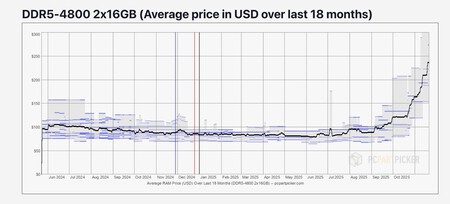
Samsung’s recent decision to double the price of DDR5 RAM after exhausting its stock is a crucial development that exemplifies the severity of the situation. This price hike not only threatens to disrupt the balance of the smartphone industry but also acts as a harbinger of larger supply chain issues. RAM is essential for ensuring fluid performance, multitasking efficiency, and, critically, the overall technological advancement we have come to expect.
In the past six months, RAM prices have skyrocketed between 100% and 400%. Major players in the industry, like Samsung and SK Hynix, are now diverting approximately 40% of their production resources to meet the demand for high-performance applications such as OpenAI’s infrastructure, further aggravating the RAM shortage crisis.
The Return of 4 GB Smartphones
The prospect of returning to smartphones with only 4 GB of RAM is alarming. There are certain red flags that make a smartphone highly unadvisable:
- Lack of good update support.
- A processor that struggles with basic applications.
- Less than 6 GB of RAM.
If manufacturers adopt 4 GB RAM in 2026, it would signify a substantial regression, especially when entry-level devices were transitioning to 6 GB as a standard.
What RAM Really Means for Your Smartphone
The importance of RAM extends far beyond basic multitasking capabilities. Here are some critical functions that rely heavily on sufficient RAM:
- Local AI Processing: Insufficient RAM makes it impossible to run complex local AI models, as exemplified by advanced devices like the iPhone 15.
- Photographic Quality: Features such as HDR processing and computational zoom depend significantly on a smartphone’s RAM capacity.
- Multitasking: Efficient RAM allows multiple apps to run simultaneously without performance degradation, enabling seamless interactions.
- Gaming Experience: Sufficient RAM is essential for a smooth gaming experience, preventing lags and ensuring that games do not crash mid-session.
The Consequences Ahead
Our complaints in recent years about minimal advancements in smartphones may soon become even more pronounced. The RAM crisis could necessitate a halt in innovation, with future devices performing worse than their predecessors. The expectation for budget smartphones to run sophisticated applications, such as AI-powered features and high-quality gaming, may fall drastically short.
No Immediate Solutions
The current state of DDR5 RAM, while introduced in 2020, has yet to penetrate the entry-level market adequately. DDR4 continues to reign as the standard, but its price has also seen an alarming increase of nearly 200% in recent months. Thus, the harsh reality remains: increasing RAM prices will lead to either more expensive smartphones or devices equipped with insufficient RAM.
As we brace for the 2026 smartphone landscape, consumers and manufacturers alike are left grappling with the implications of this escalating crisis in RAM technology.