
## The Birth of a Cultural Phenomenon
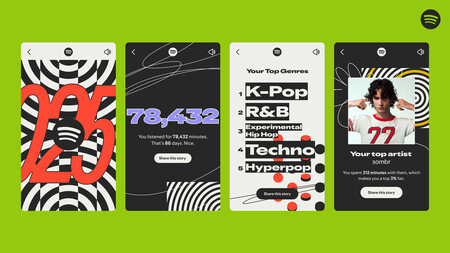
If companies have learned anything since the Internet has evolved into this strange algorithmic mass that sometimes escapes our control, it is that, if something creates a trend, it must be there. Spotify Wrapped, launched in 2016, is one of the prime examples of this phenomenon, cleverly designed to provide users with a personalized recap of their listening habits over the year.
## The Viral Marketing Strategy
For a few days, the latest Spotify Wrapped has taken social media by storm, showcasing data about which artists and songs have defined our year. Users flood platforms like Instagram with screenshots of their stats, effectively creating a viral marketing wave. What remains fascinating is not just the content itself but how it has evolved into a tradition, almost analogous to annual holiday rituals.
Spotify’s strategy has successfully encouraged millions to share their data, generating a sense of FOMO (fear of missing out) that entices non-users to consider the platform. This viral nature has turned Wrapped into more than just a review—it’s a cultural event.
## Alternatives and Imitators
While Spotify didn’t invent personalized year-end reviews, competitors and unrelated brands have jumped on the bandwagon. Platforms like YouTube and even file-sharing services like WeTransfer have begun to offer their own versions of annual summaries. The curiosity peaks as to how far this new trend will reach. Are we now witnessing absurd adaptations in seemingly unrelated domains, as seen with WeTransfer’s pseudo-wrapped?
### A Design That Stands Out
What makes Spotify Wrapped irresistible? The answer lies in its design. Each annual recap features striking visuals and personalized statistics that flow seamlessly into shareable formats. This clever design triggers organic advertising, making #SpotifyWrapped a global trending topic each December.
The formula remains consistent: utilize existing user data, present it engagingly, and foster sharing among users. This straightforward yet effective method ensures that millions participate every year.
## A Wrapped for Everything
Today, annual reviews have become almost obligatory for many companies across various sectors. In entertainment and gaming, we see platforms like Apple Music, Amazon Music, PlayStation, and Xbox embrace the trend, each offering their unique take on annual summaries. Yet, some companies venture into strange territory; even retailers like Lidl are presenting annual reviews of shopping habits.
Additionally, unexpected examples abound, such as security firms offering “wraps” on security access statistics, blurring the lines of marketing appropriateness.
### More Unlikely Participants
Despite the potential absurdity, platforms like Duolingo, Uber, and LinkedIn have also joined the trend with their own year-in-review formats. This widespread adoption demonstrates an interesting shift in consumer engagement, where the power of data is harnessed creatively.
## The Viral Logic of FOMO
As brands witness trends gaining traction online, they scramble to participate, often resorting to forced creativity. This fear of not being included in the conversation drives businesses to adopt similar tactics, showcasing a fascinating interplay between marketing strategy and user engagement.
## Conclusion
Spotify Wrapped has transcended its original intent, morphing into a cultural touchstone that not only serves as a personalized data analysis tool but also as a vehicle for brands seeking visibility and engagement. With the growing appetite for such user-centric recaps, it wouldn’t be surprising to see utilities and financial institutions offer their own wraps in the near future. One can only imagine looking forward to an electric company’s report on power consumption or banking statements detailing financial habits.