
The Rise of Interior Design as the New Fashion Statement
There was a time when status was measured by the cut of a lapel or the logo on a handbag. Today, the true statement of intent is not in the closet, but on the living room shelf. A typical scene unfolds: a home dinner does not begin until the perfectly “staged” table has been captured by a smartphone lens. Decoration has morphed into a new language of identity, where we project who we are with the same urgency we once devoted to selecting an outfit for a night out.
The Exposed Shelter
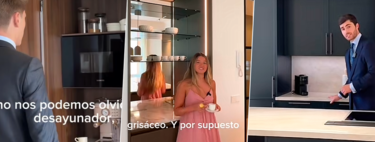
The line between private and public space has completely transformed. Where once the home was a sanctuary where “we took off our shoes,” it has become a stage where “we put on the filter.” Take the breakfast nook, for example. What began as a functional space for cups and coffee makers has evolved into a “symbol of the aspirational home,” dominating our morning stories on social media.
This shift is not incidental. Homes now operate under the same codes as street style: calculated poses, meticulously arranged corners, and expertly filtered light. We don’t just decorate to live anymore; we do so because we want our lives to be appealing to the eager eyes of social media.
The Landing of the Brands
The market has swiftly adjusted to this paradigm shift. According to Business of Fashion, home design has ballooned into a $643 billion global market post-pandemic, outpacing fashion in growth. Major luxury brands, such as Hermès and Bottega Veneta, now view furniture not as mere accessories but as integral components of their aesthetic ecosystem.
- Luxury as an Architect of Lives: Brands are showcasing how their aesthetics extend from handbags to high-priced furniture.
- The Democratization of Style: Affordable fashion brands are infiltrating the homeware sector. For instance, Mango Home is following Zara Home’s strategy, cementing its position in the premium home segment to elevate its brand ethos.
Even everyday items have taken on an aspirational quality. Actress Courteney Cox’s brand, Homecourt, has redefined household products, transforming laundry tasks into self-care rituals.
How Did We Get Here?
To grasp our obsession with creating “Instagrammable” living spaces, we must reflect on the past. The rise of Pinterest in 2010 marked the advent of a global archive of home aspirations. However, the game changed dramatically in 2020. With lockdowns forcing us to inhabit our homes as offices and gyms, our spaces became integral to our mental health.
The real estate crisis has driven many to invest in home decor as a means of emotional expression and identity affirmation in an uncertain world.
Rebellion Against the “Dictatorship of the Neutral”
In recent years, a predominance of simplicity and uniformity—characterized by a minimalist aesthetic—has prevailed. Yet, emerging trends indicate a rebellion against this trend. Pantone’s selection of Cloud Dancer as the 2026 Color of the Year has sparked debates about its coldness.
Experts caution against an all-white aesthetic, recommending the incorporation of warm wood and rustic materials to breathe life into spaces.
Living as the New Dressing
The rise of interior design signifies a societal preference for immersive beauty. We desire to live within our curated environments, from theatrically setting the table to selecting a designer lamp, asserting control over our immediate surroundings.
Fashion has transitioned from the catwalk to the home because, in an increasingly digital world, the home remains the ultimate refuge—a space that not only appears beautiful online but also feels comforting when the camera turns off. Ultimately, the focus has shifted from what we wear to how our living spaces reflect who we are.