
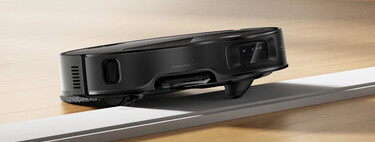
The Impact of a Stalled Innovation Cycle
During a crucial 18-month period, iRobot found itself in a state of stagnation, a setback that showcased the challenges businesses face when caught in limbo—waiting for approvals and direction from larger entities like Amazon. As Gary Cohen, iRobot’s CEO, candidly admits, the management team “took its foot off the gas,” leading to a significant lack of market innovation.
The Amazon Deal: A Double-Edged Sword
The anticipated $1.7 billion acquisition by Amazon was not just a corporate merger, but an expectation that stifled creativity and innovation. The hope was that aligning with a tech giant could propel iRobot into new realms of productivity and market penetration. However, the wait for regulatory green lights resulted in a critical 18-month freeze where competitors accelerated ahead, leaving iRobot behind in the race to innovate.
Lessons from the Past: The Terra Project
The failed Terra project, which aimed to extend iRobot’s brand into lawn care through robotic lawnmowers, serves as a poignant metaphor for the company’s struggles. Cohen described having “hundreds of dead lawnmower robots” in their facilities—a dire image that signals not only failure in execution but also the risks of being wed to visionary yet impractical technology.
A Shift in Focus
Under Cohen’s leadership, the company is reevaluating its approach to innovation. Learning from competitors who adopted LiDAR navigation, iRobot is now ready to embrace more efficient and practical technologies. These new strategies reflect an urgent need to meet consumer expectations for user-friendly products that fit seamlessly into their lives.
Crucial Partnerships Amid Financial Instability
The tumultuous transition to a partnership with Picea Robotics highlights the necessity for adaptability in crises. iRobot’s financial obligations, including a steep debt of $161 million, necessitated a swift pivot. Within a year of the partnership’s establishment, iRobot launched eight new models that incorporated the needed technological advancements that had been neglected during the Amazon debacle.
Responding to Tariffs and Market Dynamics
The ever-shifting market dynamics, including a projected 46% tariff on imports from Vietnam in 2025, further complicated iRobot’s future. Potential buyers were deterred, leading to the realization that Picea was not just a partner but a potential savior—a reality that culminated in a merger that would forever alter the company’s trajectory.
Reinvigorating iRobot’s Legacy
Despite this tumultuous background, Cohen maintains a commitment to honoring the legacy of founder Colin Angle. He sees the future as a collaboration between American ingenuity and Chinese efficiency, framing it as an opportunity to create products that resonate with consumers worldwide. However, the question remains whether this collaboration will deliver the innovative products iRobot once promised.
A Hopeful Yet Cautious Outlook
Cohen’s focus on improving customer satisfaction—echoing a promise to make Roombas easier to navigate—offers a glimpse into the new direction the company plans to take. While managing half a thousand employees and promising continuity in their services, the challenges ahead are daunting. The delicate balance between innovation, pragmatism, and market demands dictates the company’s future path.
Tech’s Bitter Irony and Future Prospects
Ultimately, iRobot’s journey is a sobering reflection of the harsh realities in technological capitalism—where sometimes those who innovate do not end up owning their creation. As the line between supplier and owner fades away, the tech industry watches closely, aware that the stage is set for new players to emerge—players who may just write the next chapter in domestic robotics.