
He Da Vinci painter. The sculptor. The engineer. The Tuscan wise man who devised flying machines at the end of the 15th century. Reflecting the enigma of human brilliance, Leonardo di Ser Piero da Vinci stands as one of the most magnetic characters in history, with a legacy that continues to captivate audiences five centuries after his death.
The Myths and The Man
Hundreds of myths and theories have emerged around his genius. Rivers of ink have been spilled, and bestsellers along with Hollywood films have celebrated his legacy. The recent sale of the Salvator Mundi, fetching an astronomical $450 million, reignited discussions on the painting’s authorship, exemplifying the intrigue surrounding Da Vinci’s life.
However, behind the famed artist lies the less-known persona of a Sir from Tuscany. A curious man with an insatiable appetite for knowledge, Da Vinci was far from perfect. Described as strong and flirtatious, he had a unique sense of humor, abhorred meat, and enjoyed whimsical pursuits.
Da Vinci, The Renaissance “Gymbro”
Author of the iconic Mona Lisa, Da Vinci was not just an artist but also a handsome figure with an athletic build. Quotes from humanist Paolo Giovio highlight his exceptional beauty: “He was by nature courteous, cultivated, and generous.” His biographer Vasari even elevated Da Vinci to a level of near divine charm, describing him as “tall, extraordinary beauty and infinite grace.”
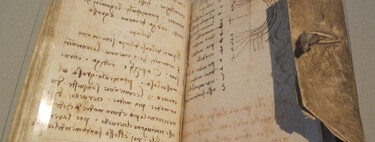
Da Vinci took pride in his appearance, often dressing in pink tunics, fur cloaks, and rings. In one of his notebooks, he humorously advised how to attract attention, suggesting the use of rose water to keep hands fresh.
A Man of Order
Detail-oriented and meticulous, Da Vinci was known for his desire for order in all aspects of life. He believed that one’s environment reflected one’s inner spirit: “If you want to know how a person’s spirit inhabits his body, look at how he treats his dwelling.” This philosophy guided his everyday choices.
A Full Pantomime of His Time
History labels Leonardo as a serious and reserved figure, yet he possessed a lighter side. In his work, he often infused humor, revealing a fondness for jokes. Charles Nicholl’s book emphasizes this irony, considering that Da Vinci’s most famous painting is The Mona Lisa—the jubilant one, in Spanish.

In his notebooks, humorous anecdotes reveal his comedic flair, underscored by a satirical exchange about painterly artistry and family resemblance that highlights his quick wit.
A Unique Muse
Beyond art, Da Vinci was also a musician. His talent extended to playing the lyre, including a unique horse-shaped version he crafted himself. His artistic sensibilities qualified him as a performer at the Milan court, connecting him with notable literati of his time.
“Portrait of a musician”, by Leonardo Da Vinci.
A Culinary Enthusiast
Leonardo’s vegetarianism and respect for animals produced an interesting dining philosophy. He was known to buy caged birds only to release them. While hosting guests, he would prepare gourmet dishes, embodying a gourmet spirit, despite some ventures in the restaurant business meeting with failure.
Unveiling Personal Mysteries
Most experts agree that Da Vinci was likely homosexual. His personal life remains shrouded in intrigue, with notable indicators being the sensual representation of male figures in some of his artwork.
Da Vinci, already in the final stretch of his life.
In an early scandal, Da Vinci faced accusations of sodomy, adding complexity to his enigmatic personal narrative.