
We have not returned to the Moon since the mission Apollo 17 in December 1972. While that mission might not ring a bell for many, most people vividly remember Apollo 11 due to Neil Armstrong’s iconic words: “It’s one small step for a man, one giant leap for mankind.” Others might recall Apollo 13, albeit for a different reason—its near-disastrous mission when an oxygen tank malfunctioned.
Buckle up! Fifty-three years later, human exploration of our lunar neighbor is almost a reality again with the Artemis II mission, set for launch in February 2026. However, this mission encounters unforeseen challenges—not just the well-documented delays of the Artemis program. A key issue is the transportation of astronauts from their quarters to the launch site. Fortunately, help is on the way.
Returning to the Moon is More Than Just Rockets
Traditionally, astronauts have traveled from the operations building to the launch pad in an iconic vehicle known as the Astrovan. From its first use during the STS-9 mission of the Space Shuttle Columbia in 1983, the Airstream Excella became a beloved symbol of space prep. However, since the Space Shuttle program ended in 2011, this vehicle became a museum piece as NASA relied on SpaceX and Boeing’s custom solutions.
With the Artemis program, NASA aimed to modernize, introducing electric vehicles for astronaut transport. In July 2022, NASA announced a partnership with Canoo Technologies for their Artemis fleet—a move that showed unyielding faith in an unproven model. This trio of vehicles, based on Canoo’s Lifestyle Vehicle (LV), was intended to transport astronauts comfortably.
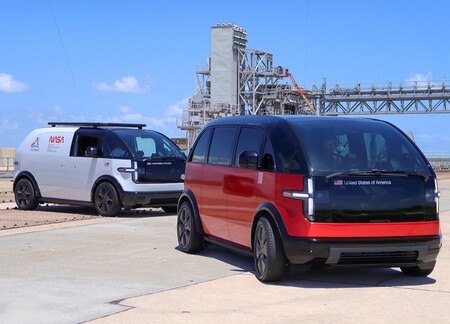
The Canoo vehicles that NASA bought
However, trouble loomed as Canoo filed for Chapter 7 bankruptcy, halting operations and leaving unanswered questions about vehicle support. NASA had already paid for the vehicles, leaving them with limited options. Fortunately, there were two alternatives: seek a new contractor or repurpose existing options.
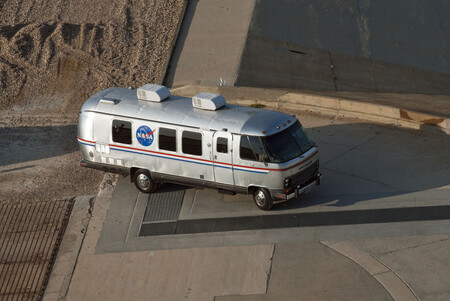
The original Astrovan
In the end, NASA decided to temporarily rent Boeing’s Astrovan II for the Artemis II mission. This decision, communicated through multiple channels, signifies a return to a trusted heritage while evaluating future options.
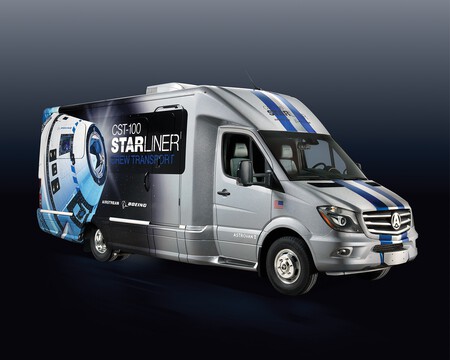
Boeing’s Astrovan II
It’s important to note that astronaut transport may seem minor, yet it is critical. The process is tense and requires precision. Vehicles must meet NASA’s rigorous specifications, ensuring that astronauts can move comfortably in their spacesuits.
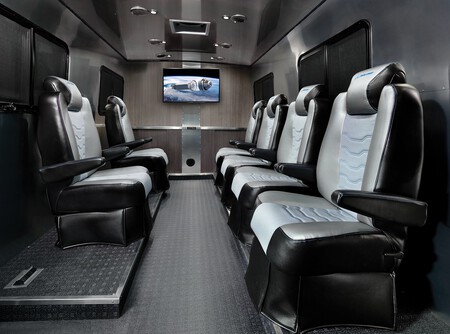
Boeing’s Astrovan II Interior
The Astrovan II results from a collaboration between Boeing and the renowned Airstream, based on a modified Mercedes-Benz Sprinter 4500. Equipped with a 2.0-liter diesel engine, the vehicle features custom seating, USB ports, and even live TV broadcasts. Critical opinions abound, but it appears the decision is pragmatic given the circumstances.
The Astrovan II has already made its mark; transportation from the Kennedy Space Center to the launchpad occurred during the Boeing Crew Flight Test (Boe-CFT) mission on June 5, 2024. This mission highlighted both the vehicle’s capability and the importance of reliable crew transport systems.
In conclusion, the integration of Boeing’s Astrovan II represents a significant step as humanity gears up for lunar exploration once more. It highlights the adaptive nature of NASA and the ongoing importance of logistical support in space missions.
Images | POT | Boeing | Canoo