
The Growing Pension Gap in Spain
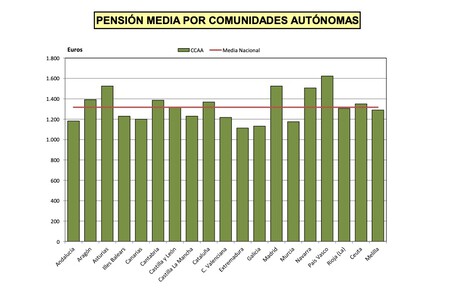
In the midst of discussions surrounding the pension revaluation as we look toward 2026, alarming data reveals an increasing divide between pensions across Spain’s regions. This disparity highlights significant economic inequalities, particularly as the population ages and becomes more dependent on retirement income.
The Discrepancies in Pension Amounts
Statistics from social security indicate a marked difference in average retirement pensions between more industrialized provinces and those that are less developed. The most striking example is the gap of nearly €800 between Vizcaya, where the average pension is €1,872 monthly, and Ourense, which sits at just €1,085. This difference translates to over €11,000 annually for retirees in Vizcaya compared to those in Ourense.
Rising Inequality in Retirement Pensions
The trend is not static. A comparative analysis of data shows that the gap in average retirement pensions between provinces has steadily increased over the past five years. In 2020, the difference was around €615 per month, highlighting an upward trajectory exceeding €170 monthly in just five years. By November 2025, provinces like the Basque Country, Navarra, and Madrid reported figures above the national average, while areas such as Galicia and Extremadura lagged significantly behind.
The Economic Factors Behind the Gap
This pension disparity can largely be attributed to underlying differences in salary structures and industrial presence. As per the Annual Salary Structure Survey from 2023, the average annual salary in the Basque Country stands at €33,504.92, compared to just €23,684.22 in Extremadura. This translates to a staggering 41% difference. Such discrepancies are not coincidental; they stem from the historical job markets and pay structures in these regions.
The Social Security system rewards individuals for long careers with high contributions, leading to more generous pensions in industrialized areas. This causes provinces that traditionally offer better salaries to maintain higher pensions now.
The Increasing Importance of Pensions
As the population ages, pensions are becoming the primary source of stable income for a growing segment of Spanish households, particularly in rural areas with depopulating trends. In provinces like Ourense and Zamora, the number of pensioners is nearing the number of employed individuals, underscoring their reliance on Social Security funds for economic stability.
Conclusion: A Call for Change
The persistently high pension gaps in Spain reflect deeper socioeconomic divides across the country. Regions with weaker industrial frameworks and lower average salaries, such as Andalusia, Extremadura, and Galicia, see significantly lower pensions, with negative balances between contributions and benefits. Addressing these disparities will require focused policy interventions to ensure that equitable pension systems are developed to support all Spaniards in their retirement years.