New National Transport Pass
In an exciting development for travelers, Pedro Sánchez, the President of the Government, has announced that a new public transport pass will soon be available for use throughout Spain. Set to be active next month, this pass offers an affordable solution for those looking to explore the country with a monthly fee of 60 euros. For individuals under 26 years old, this cost is halved to 30 euros.
Scope of the Pass
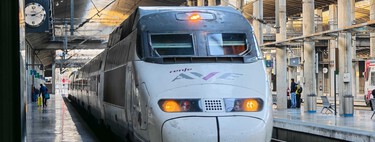
The newly introduced pass will cover travel on Cercanías and Media Distancia trains along with public bus systems. However, it is important to note that this pass will not extend to high-speed train services, which have historically been excluded from similar initiatives.
Limitations and Coverage
While the Government has assured that the pass will be implemented in the second half of January, questions remain about its overall applicability. It is suggested that holders of this pass will only be allowed to travel on Renfe trains classified as public services, which includes Cercanías and Media Distancia, as well as specific public buses.
Municipal transport options, such as city buses or metro services operated by local authorities, are unlikely to be included in this pass. This could pose a hurdle for urban commuters who rely on various public transport means to navigate the city.
Future Aid and Support
Sánchez also revealed that existing support for public transportation will continue, confirming financial backing that has been in place for most of the previous year. The aid is part of a broader strategy to mitigate the costs associated with public transport, amounting to an estimated cost of 1.6 billion euros.
Despite earlier setbacks related to the Omnibus Decree, which affected the planned aid, negotiations have successfully resulted in a continuation of support for municipalities that help co-finance user aid.
Background and European Context
Though this transport pass has recently been announced, the concept has been in discussion since early this year. Initially stated by Óscar Puente, the Minister of Transport, the aim was to finalize this pass by 2026. However, the pressing need for affordable transport options in light of the ongoing challenges from the COVID-19 pandemic and economic pressures from the Russian invasion of Ukraine has expedited its introduction.
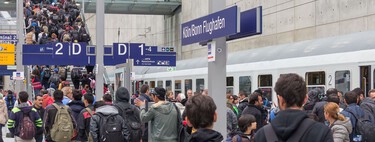
This initiative is not isolated; it reflects similar strategies employed across Europe. For instance, Germany once offered a transport pass for just 9 euros which proved highly successful before adjustments raised its price to 58 euros. Additionally, Austria has introduced a similar monthly subscription with unrestricted access to public transport for 79 euros.
Challenges Ahead
The introduction of the new transport pass does raise concerns. A Financial Times report suggests that enhancing public transport options may not necessarily lead to a significant decrease in car usage. Instead, increases in train ridership may simply reflect an uptick in mobility for existing train users rather than attracting large numbers of drivers away from their vehicles.
In conclusion, while the impending pass appears to offer an attractive option for frequent travelers and younger commuters, the efficacy of this measure in enhancing public transport uptake while reducing road congestion remains to be seen.