
New EU Tariffs on Chinese E-Commerce Platforms: What You Need to Know
Buying inexpensive items online has become a standard practice for many consumers. From t-shirts to mobile accessories, affordable products are often shipped quickly from platforms like Shein, AliExpress, and Temu. This change in purchasing behavior is supported by compliance reports under the Digital Services Law, demonstrating the deep integration of these platforms in Europe’s digital commerce landscape.
The Shift in E-Commerce Habits and Its Impacts
The surge in online shopping is evident through remarkable logistics figures. In 2024 alone, the EU is expected to receive a staggering 4.6 billion low-value shipments, averaging more than twelve million daily. According to the European Commission, 91% of these shipments originate from China, creating immense pressure on customs and control systems that were not designed for such high volumes.
Upcoming Tariffs: Details and Timeline
To address this growing challenge, the EU will implement a fixed tariff of three euros on small shipments valued under 150 euros. This transitional solution will officially take effect on July 1, 2026, leading to the establishment of a new European customs system. This system aims to centralize data and improve risk management with a community authority to unify regulations across Member States.
Reforming Customs: A Strategic Move
The EU’s customs reform aims to address challenges caused by fragmented national systems and the rapid increase in e-commerce. The proposed common information system and European customs authority will tackle the problems highlighted by the influx of low-value shipments, ensuring better coordination and adherence to rules across the internal market.
Reasons Behind the New Measures
The political drive for these reforms comes from various concerns, including unfair competition, consumer safety hazards, high levels of fraud, and environmental issues. Implementing a three-euro tariff will help mitigate these risks and level the playing field for compliant businesses.
Understanding the Tax Activation Moment
The important aspect of this measure lies in when the tax is applied. The three-euro tariff will take effect when items enter the EU, meaning products shipped directly from outside the union will incur this fee. However, orders dispatched from within the EU will be exempt, thus avoiding a second customs crossing.
Direct Consumer Impact
Importantly, the EU document does not specify that consumers will directly bear this cost. Instead, it states that platforms, sellers, or logistics operators will handle the payment to customs and may subsequently pass this fee onto consumers, typically reflected during checkout.
Cost Calculation: Per Item or Package?
According to the rules, the three-euro fee is a fixed charge for items within small shipments, not a blanket fee per package. This distinction implies that multiple identical products could incur only one charge. For example, an order with three pairs of sneakers and three watches would selectively incur fees just once for each unique item.
Temu’s Adaptation Strategy
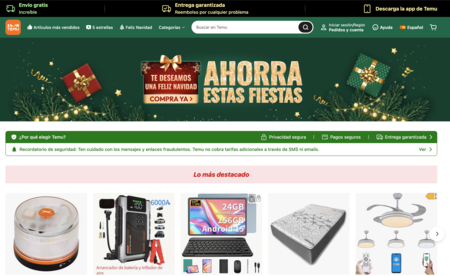
In anticipation of these changes, Temu has been adjusting its operational model in Europe by partnering with local logistics providers. This strategy aims to enhance delivery capabilities and support local sellers, expecting that local fulfillment will constitute up to 80% of its European sales.
Conclusion: Preparing for Change
The EU’s impending tariff system presents both challenges and opportunities. While it may lead to increased prices for some products from China, the real effects will hinge on how logistics is realigned in the upcoming months. As this countdown progresses, e-commerce platforms are expected to respond accordingly to the evolving regulatory landscape.