
Rufián’s Accusations: A Call for Accountability
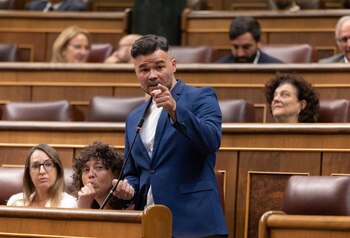
Gabriel Rufián’s recent assertive comments in Congress have ignited a heated discussion surrounding the PSOE’s management of sexual harassment complaints. Referring to certain officials as “useless,” Rufián emphasized the confusion and lack of understanding regarding the party’s internal protocols, stating, “No one understands what they are doing.” This reproach highlights a growing frustration with the Socialist Party’s response to serious allegations, particularly in light of increased scrutiny and dissatisfaction from various societal and political sectors.
The Pressure Mounts
Rufián’s remarks came at a critical time when media attention and social pressure on the PSOE escalated due to complaints against prominent figures, including the president of the Lugo Provincial Council, José Tomé. As news of allegations surfaced, the call for greater transparency in handling sexual harassment cases intensified.
Demands for External Oversight
Feminist organizations and human rights groups are voicing strong demands for the PSOE to adopt external audit systems and create accessible reporting channels that genuinely safeguard the rights of complainants. Activists argue that the party’s internal structures serve as barriers to impartial investigations, advocating for independent oversight to ensure fair treatment for victims.
Critical Reforms Needed
According to reports from Cuatro, these organizations are now insisting on the necessity of public audits, external evaluations of internal protocols, and periodic disclosure of investigation outcomes. Critics within the party and civil society alike are pressing for verifiable assurances from the socialist leadership, emphasizing that transparency is crucial for restoring trust and credibility.
Challenges in Current Protocols
The existing complaint-handling procedures within the PSOE have faced significant backlash for their perceived opacity. Members of the party and the public have echoed concerns that delayed communication and a lack of clarity surrounding investigations contribute to a culture of re-victimization, further discouraging potential victims from coming forward.
Media Influence
Media coverage, particularly from programs like “Código 10,” has amplified public awareness of the PSOE’s handling of harassment cases. Highlights of deficiencies in the party’s approach have not only attracted media scrutiny but have also empowered social movements to demand urgent reforms.
Implementing Change
Critics contend that the lack of adherence to transparent protocols without external monitoring fosters an environment where cover-ups and retaliation can thrive. The ongoing demands for independent audits and formal communication channels are viewed as essential measures to protect victims and ensure accountability within the party.
Broader Political Ramifications
Opposition parties have also joined the chorus of critics, condemning the PSOE’s internal protocols for failing to provide adequate protection and transparency. The collective pressure from opposition figures and social organizations underscores a widening consensus that reform is necessary for the party’s integrity.
The Path Ahead
As the feminist movement and public scrutiny continue to rise, the PSOE stands at a pivotal moment. Advocates are rallying for established mechanisms of independent oversight, universal access to information, and transparent communication strategies to address the consistent challenges faced by victims.
In conclusion, the demand for greater transparency and accountability in handling sexual harassment complaints is gaining momentum within the PSOE. With unresolved issues and new allegations emerging, the call for comprehensive internal reform becomes ever more urgent, presenting an opportunity for the party to redefine its commitment to uphold the rights and dignity of all its members.