
## The Rising Price of Silver and Its Implications
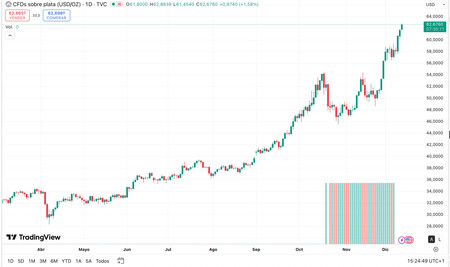
Silver has recently exceeded $60 per ounce, marking a historic milestone with significant implications, particularly in the technology sector. This precious metal plays a crucial role in various industries including solar energy, electric vehicles, electronics, and AI data centers. As demand surges, it has quickly outpaced the mining industry’s ability to respond, prompting concerns of an impending silver shortage.
### A Record Turnaround
As of now, silver prices are around $62.67 per ounce, having doubled since January despite five straight years of supply deficit. While the increase is not surprising to industry followers, the speed of this escalation is noteworthy. According to Bloomberg, silver has outperformed other metals this year, even overshadowing gold, showcasing its rapidly growing value.
### Structural Changes in the Market
The current climate indicates that silver is no longer just a safe haven asset; it has become a vital industrial component. Unlike gold, which primarily serves financial purposes, silver is indispensable for advancing electrification and supporting the global energy transition. However, the lack of global strategic reserves and the narrow, volatile nature of the silver market complicate matters further.
### A Perfect Storm of Factors
The unique rise in silver prices stems from the convergence of industrial, monetary, and geopolitical elements. The Financial Times notes that the silver market has been in a state of deficit for five years. Major silver-producing countries like Mexico, Peru, and China face regulatory and environmental constraints, hindering production efforts.
According to the Silver Institute, industrial demand for silver is projected to increase significantly until 2030, fueled by rising solar energy needs and the electrification of transportation. Additionally, there is growing concern that the United States has stockpiled substantial reserves of silver, drawing it away from global markets and further tightening supply.
### China’s Strategic Moves
A decisive factor in the current silver dynamics comes from China. The Chinese Ministry of Commerce has announced stringent export conditions for silver starting in 2026, aiming to safeguard its domestic supplies for critical sectors like renewable energy and artificial intelligence. With limited annual production capacity globally, these controls could exacerbate the existing shortage.
### Geopolitical Tensions
Interestingly, India has emerged as a major player in the silver market, accounting for around 80% of global demand for physical bars and coins. Recent regulations have spurred a surge in silver imports, particularly during festive seasons. Meanwhile, Russia’s recent acquisition of silver for its State Reserve Fund has further pressured prices, reinforcing a narrative of strategic metal accumulation.
### Broader Metal Market Reconfigurations
The sky-high prices of silver coincide with a broader reconfiguration in the metals market, with gold also reaching unprecedented levels. Central banks are increasingly favoring gold over U.S. Treasury bonds, indicating a structural shift in the international monetary system. As platinum and palladium prices also climb, this signals a renewed focus on strategic and safe haven metals within the evolving global economy.
### Future Expectations
Forecasts suggest that structural tensions within the silver market won’t alleviate soon, despite potential periodic corrections. Industry analysts predict further price increases, potentially pushing silver prices to around $63 to $65 per ounce. However, caution is advised as the market appears overheated, and a decline below $61.5 could lead to short-term profit-taking.
In context, the rise of AI and exciting solar demand, coupled with China’s stricter industrial policies, positions silver at a monetary inflection point. As the world transitions towards electrification, the crucial question emerges: will there be an adequate supply of silver to support the ambitious energy goals we are setting for the future?
### Conclusion: The Future of Silver
The increasing price of silver is not simply a market anomaly; it reflects deeper issues concerning its supply and demand dynamics in an electrifying world. As there are no direct substitutes and a lack of global reserves, the reliance on silver presents critical challenges. With no guarantees that it will reach the market in time before it is claimed by major consumer nations, the anticipation surrounding silver is profound.